From bakeries to bistros: where to taste authentic french cuisine in paris like someone who lives here
From bakeries to bistros: where to taste authentic french cuisine in paris like someone who lives here
If you want to eat in Paris “like someone who lives here”, the challenge isn’t to find food – it’s to avoid eating badly for too much money. Parisians don’t spend their evenings around the Eiffel Tower hunting for onion soup. They eat in neighborhood bistros, grab sandwiches from their local boulangerie, share plates in wine bars, and time their meals around office hours and school runs.
Here’s how to do the same, from bakeries to bistros, with real-life tips on where to go, when, and roughly what you’ll pay.
How Parisians really eat (and when)
Before the addresses, it helps to understand the rhythm. If you eat at the wrong time or in the wrong area, you’ll end up in “tourist only” places by default.
Typical Parisian meal times:
- Breakfast: 7:30–9:30 – often just coffee + pastry or tartine (bread, butter, jam).
- Lunch: 12:15–14:00 – this is when you’ll find the best prix-fixe menus.
- Dinner: 19:30–21:30 – many good spots don’t even open their kitchens before 19:00.
Key habits to copy:
- Look for “formule” or “menu du midi” at lunch: it’s where the value is. Expect €15–€25 for starter + main or main + dessert in a neighborhood bistro.
- Reserve for dinner if you want a local spot, especially Thursday–Saturday. Even a same-day call around 11:30 is usually enough.
- Venture into non-touristy arrondissements: 9th, 10th, 11th, 12th, 14th, 15th, 20th – that’s where most Parisians actually live and eat.
Now, let’s start the day where locals really start it: at the bakery.
Bakeries: breakfast, snacks and cheap, perfect lunches
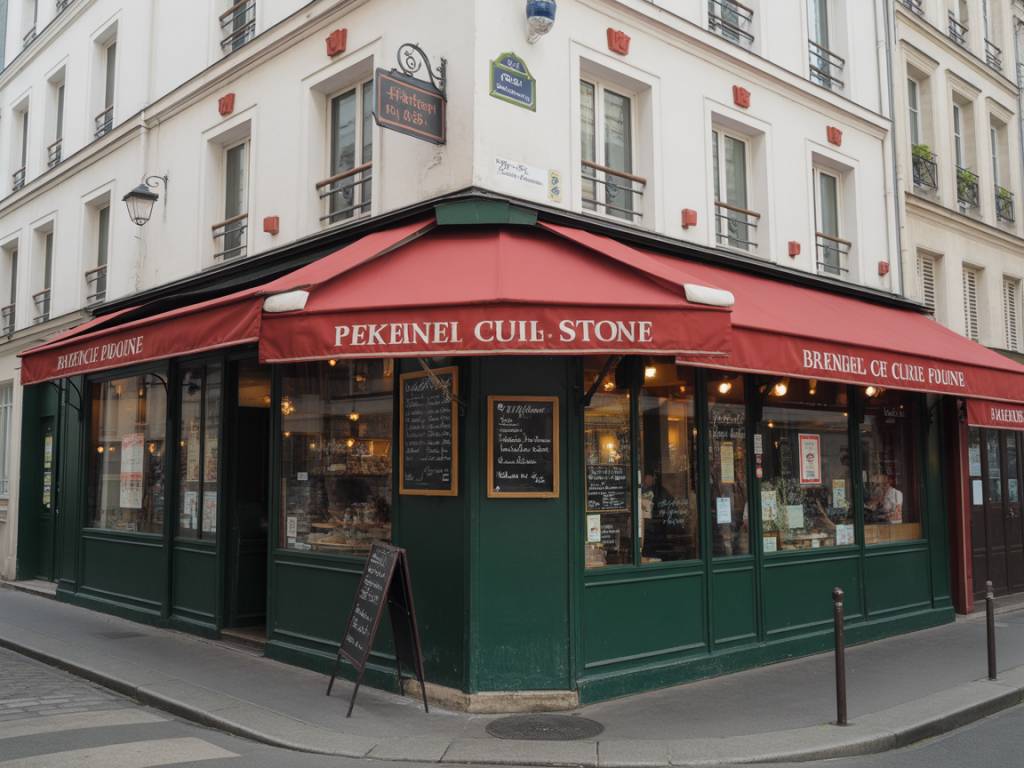
Forget sad hotel croissants. In most parts of Paris, there’s a quality boulangerie every 200–300 meters. Locals use them constantly: kids with chocolate bread at 16:30, office workers grabbing sandwiches at 13:00, night owls picking up a baguette on the way home.
How to recognize a good bakery:
- A queue at 8:00–9:00 or around 17:00 is a good sign.
- The baguette de tradition is on display or clearly indicated (order “une tradition”, not just “une baguette”).
- Sandwiches and pastries look fresh, not dry around the edges.
Winning orders if you don’t want to overthink it:
- Breakfast: café + croissant or pain au chocolat. Expect €3–€4 if you take it away, a bit more if you sit.
- Cheap lunch: sandwich tradition (jambon-beurre, poulet crudités…) + pastry + bottle of water: €6–€9.
Examples of bakeries where I’d happily send a friend:
- Du Pain et des Idées (10th) – near Canal Saint-Martin (Métro: Jacques Bonsergent / République). Famous and not a secret anymore, but still excellent. Go before 9:00 to avoid the bus tours. Try the escargot pistache chocolat or a simple tradition.
- Farine & O (11th) – Rue de la Roquette (Métro: Voltaire). Residential, authentic crowd: students, families, office workers. Their sandwiches and seasonal tarts make for perfect canal-side or park lunches.
- La Parisienne (7th) – Rue du Bac area (Métro: Rue du Bac). Good option if you’re visiting Orsay or Invalides and want to escape museum cafés. Grab food and eat along the Seine.
If you’re on a budget, using bakeries for at least one meal a day (usually lunch) can cut daily food costs in half without sacrificing taste.
True Parisian bistros: where to sit down for a real meal
Many places call themselves “bistro” and serve microwave lasagna and frozen fries. Locals avoid the laminated menus with photos and English-only boards right next to major monuments.
Signs you’ve found a real bistro:
- Menu changes daily or weekly, often written on a chalkboard.
- Short menu: maybe 4–6 mains, not 25 options ranging from sushi to tartiflette.
- Many people ordering the daily special (plat du jour).
- Inside, you see couples, colleagues, maybe a solo diner with a book – not just tables of tourists with guidebooks.
What you can expect to pay (per person, excluding wine):
- Lunch formule: €15–€25 in non-touristy areas, €20–€30 in central/hip districts.
- Dinner à la carte: €28–€45 for starter + main + dessert in a good neighborhood bistro.
Bistros that feel local but welcome visitors:
- Bistrot Paul Bert (11th) – Métro: Faidherbe–Chaligny. Classic Parisian bistro with old-school charm: steak-frites, tarte Tatin, solid wine list. Expect €40–€55 per person for a full dinner with wine. Book a few days ahead for evenings.
- Le Petit Cler (7th) – Rue Cler market street (Métro: La Tour-Maubourg / École Militaire). Yes, slightly known by tourists, but still used by locals for lunch. Good if you’re visiting Eiffel Tower or Invalides and need a reliable, non-scammy stop. Try lunch formule around €20.
- Le Pantruche (9th) – Métro: Saint-Georges. Compact, warm bistro popular with neighborhood residents. Lunch deals are particularly good value (often under €25 for a serious meal). Reserve.
- Chez Denise / La Tour de Montlhéry (1st) – Les Halles area (Métro: Les Halles / Châtelet). Old-school institution, generous portions of very classic cuisine (offal included). Better at lunch or later in the evening when office workers and night owls stop by.
One tip: at lunch, don’t be shy to order tap water (“une carafe d’eau, s’il vous plaît”) instead of bottled. Nobody will blink, and it keeps the bill in check.
Wine bars and “small plates” where locals actually go
Parisians love places where you can share plates and drink decent wine by the glass. They’re often packed from Thursday to Saturday, especially in the 9th, 10th, 11th and 20th.
How it works: You order 3–6 small plates to share (cheese, charcuterie, seasonal dishes) plus wine by the glass or bottle. It’s flexible: perfect if you’re not starving after a late lunch or if you want to try many things.
Budget: €20–€35 per person, depending on how fancy the wine and how many plates.
Addresses that feel local:
- Le Barav (3rd) – Métro: Temple / Arts et Métiers. Wine shop + bar in the Haut Marais. Parisians come after work; by 19:30 it’s full. Good plan: arrive around 18:45, pick a bottle inside (around €15–€30) and enjoy it at the bar with a cheese/charcuterie board.
- Septime La Cave (11th) – Métro: Charonne. Tiny natural wine bar from the team behind the famous restaurant Septime (impossible last-minute to book). Here no reservations, just arrive early. Great for a pre- or post-dinner glass and a few small bites.
- L’Avant Comptoir (6th) – Métro: Odéon. Standing-only wine bar, casual, noisy, very Parisian. The menu hangs from the ceiling on little cards. Perfect if you’re wandering Saint-Germain and can handle a bit of crowd.
In many wine bars, staff are happy to recommend something if you say what you typically drink: “I usually like light reds / whites that aren’t too acidic” – they’ll guide you.
Markets and street food: eating like a local without sitting down
Another way Parisians eat: they pick up things from the market and assemble meals at home, in the office, or in a park. Even if you’re in a hotel, you can easily do a DIY picnic.
What to buy for a picnic:
- Fresh baguette or tradition from a bakery.
- Cheese (ask for something that doesn’t smell too strong if you’re new to it).
- Charcuterie: sliced saucisson, ham, rillettes.
- Seasonal fruit (berries in summer, apples/pears in autumn, cherries in late spring).
Markets where locals actually shop:
- Marché d’Aligre (12th) – Métro: Ledru-Rollin. Open most mornings (closed Monday). Proper neighborhood market: cheap, noisy, real life. Combine with a coffee on Place d’Aligre and you’ll hear more French than English.
- Marché des Enfants Rouges (3rd) – Métro: Filles du Calvaire. Covered market, very central. More expensive and more tourists, but still fun for grabbing lunches from different stalls (Moroccan, Japanese, French). Busy from 12:30 to 14:00.
- Marché Bastille (11th) – Métro: Bastille. Big open-air market (typically Thursday and Sunday mornings). Lots of producers, fishmongers, cheese stands. Good for people-watching and stocking up for a picnic along Canal Saint-Martin.
Budget for a generous picnic for two: around €15–€25, depending on what you choose. Cheaper and often better than most “view of Eiffel Tower” restaurants.
Parisian cafés: for breakfast, not for gourmet dining
One common disappointment: people sit at the first café terrace they see and expect incredible food. In reality, cafés are for:
- Coffee and a croissant in the morning.
- Quick plat du jour or croque-monsieur at lunch.
- Apéro: drinks and snacks before dinner (18:00–20:00).
If the café is serious about food, you’ll notice: a smaller menu, seasonal dishes, maybe a chef mentioned somewhere. If the menu has 50 items from pizza to curry to burgers, stick to basic things (omelette, croque, salads) and drinks.
What locals commonly order:
- Morning: café crème or café allongé + croissant.
- Afternoon: espresso, noisette (espresso with a bit of milk), or a glass of wine/beer.
- Apéro: glass of wine, kir, or pastis, sometimes with olives or charcuterie board.
On a recent Tuesday at 8:00 in a small café near Gare de Lyon, I counted: 7 people at the bar drinking espresso, 3 with orange juice + croissant, and one guy in a suit eating a tartine with butter, reading the sports paper. Zero people ordering pancakes or eggs Benedict.
Everyday “canteens”: where workers eat good, affordable food
If you want to avoid restaurants designed for tourists, look for places near offices, hospitals, courts or train stations that serve fast, hearty lunches. Around 12:15, you’ll see lines of people with badges and tote bags.
Good signs:
- Loud, busy between 12:15 and 13:30, then almost empty.
- Formule du midi clearly written outside.
- Mixed ages: older regulars, young office workers, not just couples with cameras.
Orders that rarely disappoint:
- Plat du jour (daily special) – usually the best value and freshest.
- Classic dishes: blanquette de veau, boeuf bourguignon, parmentier, grilled fish with vegetables.
Budget here: €12–€18 for a main + coffee, €15–€22 if you add a starter or dessert. Perfect for a substantial meal before a long afternoon of walking.
Neighborhood focus: where to eat like a local by area
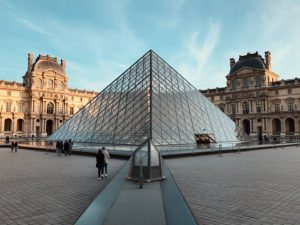
If you stay near the Louvre or Notre-Dame and never leave that bubble, you’ll struggle to eat like a Parisian. Here are three areas where I often send friends who want good food without the clichés.
Oberkampf & Bastille (11th): wine bars, bistros and late-night options
Between Bastille, Oberkampf and Charonne you’ll find dense clusters of local spots. In the evening, especially Thursday to Saturday, sidewalks are full of people having apéro or dinner.
Good starting points:
- Rue de la Roquette & Rue de Charonne – mix of relaxed bistros, wine bars, and small plates spots. Very local vibe after 20:00.
- Near Métro Faidherbe–Chaligny – Bistrot Paul Bert and a handful of other solid bistros line Rue Paul-Bert.
Sample evening plan:
- 18:30 – Apéro at a wine bar near Bastille.
- 20:00 – Dinner in a bistro on Rue Paul-Bert or Rue de Charonne (reserve ahead).
- 22:00 – Walk back via quiet side streets or grab a drink on Rue de Lappe if you want more nightlife (touristy but lively).
South Pigalle & Nouvelle Athènes (9th): modern bistros and casual chic
North of Opéra and south of Pigalle, the 9th has become a favorite for Parisians who enjoy eating out: plenty of modern bistros, cocktail bars and bakeries, but still everyday life (schools, small shops, laundromats).
Good streets to explore:
- Rue des Martyrs – lined with bakeries, fromageries, wine shops, small restaurants. Great Friday or Saturday morning walk.
- Rue Victor Massé / Rue Frochot – tiny streets with bars and small restaurants, less chaotic than the main Pigalle strip.
If you stay in this area, you can easily do:
- Breakfast at a bakery on Rue des Martyrs.
- Lunch formule in a bistro around Saint-Georges.
- Apéro in a wine or cocktail bar near Pigalle / Saint-Georges.
The quietly local 15th: everyday Paris, no drama
The 15th arrondissement, southwest of the Eiffel Tower, is where a lot of real people live: families, retirees, young professionals. It rarely appears in travel guides, but it’s full of solid, no-fuss food.
Why go (or stay) there:
- Much fewer traps than around Trocadéro or Champs-de-Mars.
- Plenty of bakeries, brasseries, and small bistros with fair prices.
- Easy transport connections (Métro lines 6, 8, 10, 12).
Ideas: Wander around Rue du Commerce, Rue Lecourbe or Rue de la Convention. You’ll see the classic pattern: kids grabbing an afternoon pastry, adults on terraces with a glass of wine after work, couples in bistros at 20:00. Pick somewhere busy but not manic, check the formule, and you’ll likely eat well.
How to avoid tourist traps without stressing about it
You don’t need to memorize hundreds of addresses. If you follow a few simple rules, you’ll already be closer to how Parisians eat.
Red flags:
- Menu translated into 6+ languages with big photos.
- Staff trying to pull you in from the street.
- Right next to a major monument with a perfect view and mostly empty tables at prime time.
Green flags:
- You see a written lunch formule, reasonably priced.
- Crowd is a mix of ages, with people speaking French around you.
- Short, focused menu using seasonal ingredients.
If you’re unsure, a quick check on Google Maps can help: read the most recent 5–10 reviews, not the overall rating from five years ago. Look for mentions of “accueil”, “service”, “formule midi” and photos of the chalkboard menus rather than just the terrace.
Sample “local-style” food day in Paris (with budget)
To put it all together, here’s a realistic day that mixes bakeries, bistros and wine bars without blowing your budget.
Morning
- 07:30–09:00 – Grab coffee + croissant from a bakery near your accommodation and eat it at the counter or in a nearby park. Budget: €3–€5.
Lunch
- 12:30 – Sit down in a neighborhood bistro (9th, 11th, 12th, 15th…) and take the lunch formule. Budget: €18–€25 including a coffee.
Afternoon snack
- 16:00 – Stop by a bakery for a pastry or small treat between museums. Budget: €2–€4.
Evening
- 18:30 – Apéro in a wine bar: one glass of wine + shared small plate. Budget: €10–€15 per person.
- 20:15 – Light dinner of shared plates in a bistro or wine bar, or a simple main dish in a brasserie. Budget: €20–€30 per person.
Daily total per person: roughly €55–€75, depending on how much you drink and how central you stay. If you replace the bistro lunch with a bakery picnic, you can easily knock off €10–€15.
Eating in Paris “like someone who lives here” is less about chasing secret addresses, and more about copying local habits: eating at local hours, using bakeries and markets, venturing a few metros away from the postcard views, and trusting short menus over flashy terraces. Do that, and you’ll find that the most memorable meals are often the ones you didn’t plan weeks in advance.