Family‑friendly paris: activities, parks and museums children will really enjoy and parents will appreciate
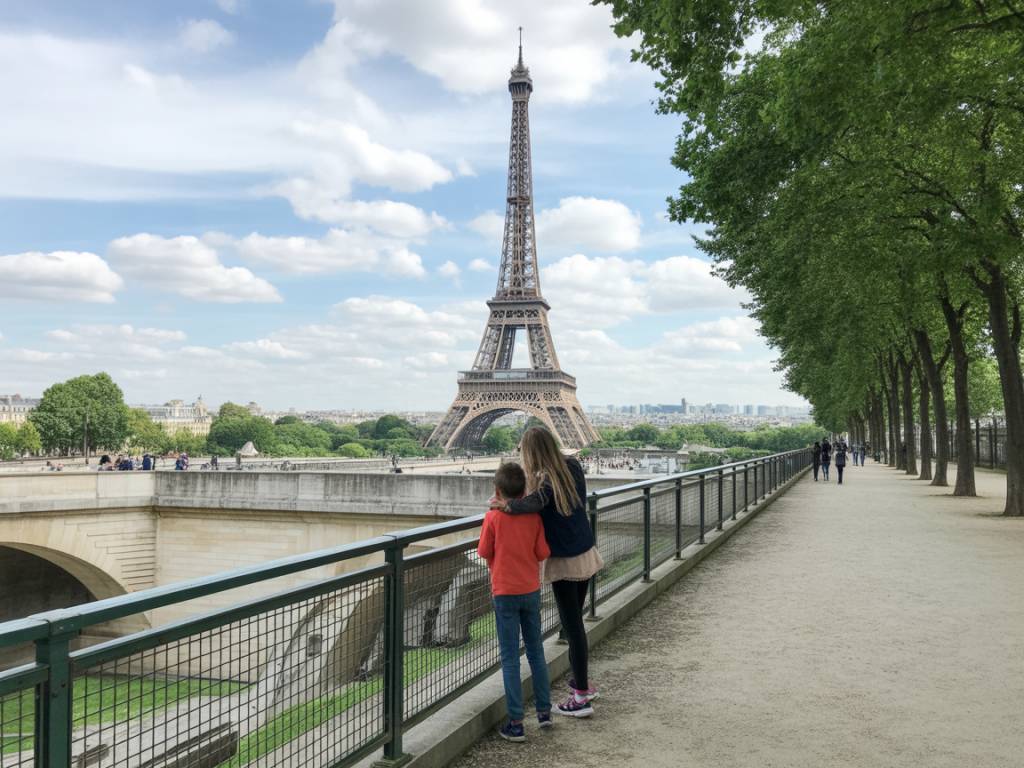
Family‑friendly paris: activities, parks and museums children will really enjoy and parents will appreciate
Travelling to Paris with kids can be fantastic… or exhausting. Often both on the same day. The city is full of “must‑see” attractions that look great in guidebooks but don’t always work with a four‑year‑old who skipped their nap. After years of watching families arrive at reception with wide eyes and tight schedules, and now exploring the city myself with nieces, nephews and friends’ children, I’ve learned one thing: in Paris, less is more – and parks are your best friends.
In this guide, I’ll walk you through family‑friendly activities, green spaces and museums that children actually enjoy and parents genuinely appreciate. No idealised Instagram programme, just realistic options, with travel times, budgets and backup plans if things don’t go as expected.
How to plan a kid‑friendly day in Paris (without meltdown)
Before talking about places, a few ground rules that I see make a real difference:
- Limit yourself to 1 big activity + 1 park per half‑day. For example: morning at the Louvre, picnic and playtime in the Tuileries. Trying to do Louvre + Eiffel Tower + boat cruise in one day is the perfect recipe for tears (from kids and adults).
- Build in snack stops every 2–3 hours. A quick croissant at a bakery, a yoghurt drink from the supermarket, or a crepe from a stand can reset tired kids. Around 4–5 pm, Paris is full of school children eating goûter, the afternoon snack – join them.
- Use the metro strategically. Under 4 usually ride free, and from 4–10 there are reduced fares on some passes, but stairs can be a pain with strollers. RER and major hubs (Châtelet, Saint‑Lazare) are often crowded – avoid rush hour (8–9:30 am and 5–7 pm).
- Always have a Plan B nearby. A small square, a carousel, or even a Monoprix supermarket where you can escape rain and buy snacks can save the day.
With that in mind, here are places in Paris where I consistently see families looking relaxed rather than overwhelmed.
Parks where kids can really run (and parents can breathe)
In a city as dense as Paris, parks are your pressure valves. They’re where kids can burn energy and adults can sit down without paying €6 for a coffee every time.
Luxembourg Gardens: Central, beautiful, and truly family‑oriented
If you only have time for one park with children, make it the Jardin du Luxembourg in the 6th arrondissement. This is where Parisian families actually go, especially on Wednesday afternoons (no school then) and weekends.
What kids love:
- Playground (“Ludo Jardin”): One of the best in Paris: climbing frames, long slides, sand area. Paid entry (about €3–4 per child, a bit less for adults), but it’s fenced, clean, and feels safe. Good for ages 2–10.
- Old‑fashioned sailing boats on the pond: Rent a small wooden sailboat (around €5 for 30 minutes) and a stick, and let kids push it across the basin. No screens, no noise, and they love it. Great if they’ve been stuck in a museum all morning.
- Pony rides and marionette theatre: Seasonal, but when open, they add a charming, very “French childhood” touch. Check current times on site or on the park’s notice boards.
What parents appreciate:
- Plenty of benches and green chairs under trees, with good visibility of the pond and lawns.
- Clean, paid toilets (usually around €1, bring coins).
- Easy access from central neighborhoods: it’s a 10–15 minute walk from Saint‑Germain‑des‑Prés or 5 minutes from the RER B station “Luxembourg”.
Tip: Combine it with a morning at the Panthéon or a stroll in Saint‑Germain. Pick up sandwiches from a nearby bakery (look for a line of locals at lunchtime) and eat them in the park.
Jardin des Tuileries: Between the Louvre and the Eiffel Tower
The Tuileries is practical because of its location: it stretches between the Louvre and Place de la Concorde. This makes it an ideal “reset zone” between two big monuments.
Highlights for families:
- Playground areas: Simple but effective: climbing structures, sandbanks, and a few rides in high season (trampolines, small merry‑go‑rounds; expect about €3–5 per ride).
- Pond with toy boats (seasonal): Less traditional than Luxembourg but still fun with small children keen to chase boats around.
- Carousels: The little carousel near the Rue de Rivoli side is a classic toddler magnet.
Real‑life example: I often suggest this combination to families staying near Opéra: Louvre at 10 am (pre‑booked time slot), quick lunch at the Carrousel du Louvre food court or a café nearby, then two to three hours in the Tuileries before heading back to the hotel for a rest. Travel time on foot: 5–10 minutes between the Louvre exit and the central part of the gardens.
Parc des Buttes‑Chaumont: For kids who like to explore
Located in the 19th arrondissement, the Buttes‑Chaumont is more of a local park and less manicured than central gardens. Think bridges, steep paths and rocky viewpoints.
For children who:
- Like to climb and explore rather than just stay on a playground.
- Are okay with a few hills and uneven paths.
- Enjoy feeling like they’re on an adventure in the middle of the city.
What you’ll find:
- A lake with ducks, a suspension bridge, and a temple on a hilltop.
- Several playgrounds spread across the park.
- Plenty of lawns for picnics (beware: slopes everywhere, so drinks tend to roll away).
Access: Metro Botzaris or Buttes‑Chaumont, then a 5–10 minute walk. From central Paris (Châtelet), count about 25–30 minutes door to door including metro and walking.
Bois de Vincennes: A “big day out” in nature
On the eastern edge of Paris, the Bois de Vincennes is a huge park/forest combo. It’s where you go when your children really need space and you need trees instead of buildings.
Good to know:
- You’ll find playgrounds, a small lake with boats to rent, bike paths and plenty of picnic spots.
- The Parc Floral inside the bois is a lovely botanical garden with a big playground and sometimes children’s shows. Entry is often free except for some events.
- It’s close to the Château de Vincennes, a real medieval fortress that older kids usually enjoy more than yet another art museum.
From central Paris (for example Hôtel de Ville station), count 25–35 minutes by metro line 1 to “Château de Vincennes”, then a short walk into the park.
Museums kids actually like (and how to visit them without drama)
Paris has over 130 museums. Many are wonderful, but not all are suitable for children, at least not on a first trip. These are the ones that tend to work best, with realistic visit times and nearby escape options.
Musée d’Orsay: Art, but not too overwhelming
Housed in a former train station, the Musée d’Orsay is often much more manageable with kids than the Louvre.
Why it works:
- The building itself is fascinating: big clock, huge hall, trains in old photos – it sparks curiosity.
- Lots of recognisable paintings that kids know from school books or puzzles (Monet, Van Gogh, Degas ballerinas).
- Reasonable size: you can see the highlights in 1.5–2 hours without feeling like you’re in a maze.
Tips with kids:
- Pre‑book a time slot and aim for early morning or late afternoon to avoid school groups.
- Head straight to the top floor for Impressionists, then work your way down. If children get tired, you can exit without guilt – you’ve already seen the main part.
- Nearby, the Seine riverbanks and Tuileries are perfect for a decompressing walk or snack.
Muséum National d’Histoire Naturelle & Jardin des Plantes
This complex in the 5th arrondissement is one of my top recommendations for families. It feels like it was made with children in mind.
Key attractions:
- Grande Galerie de l’Évolution: A huge hall filled with animal specimens in a kind of “parade”. Dramatic lighting, sounds, and lots of “wow” moments. Children can spend a long time just staring at elephants and whales.
- Galerie des Enfants: An interactive space dedicated to younger visitors (check age recommendations and if you need a separate ticket).
- Jardin des Plantes: A botanical garden outside the galleries with lawns, paths and a small zoo (Ménagerie), one of the oldest in the world. The zoo itself is compact – more of a historical curiosity than a modern animal park, but younger children often enjoy it.
Practical info:
- Located right by Gare d’Austerlitz. From central Paris, count about 15–20 minutes by metro or RER.
- Plan 2–3 hours if you visit the Grande Galerie and stroll in the gardens; more if you add the zoo.
- Several bakeries and simple cafés on nearby Rue Monge and Rue Geoffroy‑Saint‑Hilaire, or just bring picnic supplies.
Cité des Sciences & Parc de la Villette
For a science‑heavy, hands‑on day, head to the Cité des Sciences et de l’Industrie in the 19th arrondissement, with the large Parc de la Villette right outside.
For kids and teens who like:
- Science experiments.
- Space, robots, human body exhibits.
- Interactive screens (finally, they’re allowed to touch things).
Don’t miss:
- Cité des Enfants: A dedicated area designed for children (different sections depending on age, generally 2–7 and 5–12). Booking a time slot in advance is essential, especially on weekends and school holidays.
- The large outdoor playgrounds and themed gardens in Parc de la Villette. Great backup if the weather improves or kids need fresh air.
- In summer, open‑air cinema and events – check the schedule if you’re staying nearby.
Access: Metro line 7 to Corentin Cariou or line 5 to Porte de Pantin. From central Paris, allow about 25–35 minutes.
Musée de l’Air et de l’Espace (Le Bourget)
A bit outside the city, but worth it with aviation fans. You’ll see historic planes, a Concorde, and interactive exhibits. Not ideal if you’re only in Paris for 2 days, but for longer stays or repeat visitors, it’s a good way to escape crowds.
Getting there: RER B to Le Bourget, then a bus (about 45–60 minutes total from central Paris). Check opening days and family passes online – schedules change and this is not a museum you want to reach just to find it closed.
Seeing the big monuments with kids: realistic strategies
You probably don’t want to skip the Eiffel Tower or the Louvre completely. But you can adapt your visit to keep everyone sane.
Eiffel Tower: Do you need to go to the top?
I’ll be honest: with small children, the Eiffel Tower can be more stress than joy if not planned carefully. Long queues, security checks, elevators, crowds at the top… Ask yourself: do your kids really care about going up, or are they happy just seeing it and running around underneath?
Options:
- Just enjoy it from the ground: Have a picnic on the Champ de Mars, play on the playgrounds along the lawns, and appreciate the tower from below. For many families I meet, this ends up being the most enjoyable “Eiffel Tower experience”.
- Book tickets for the summit or 2nd floor in advance: Choose early morning or late evening. Avoid mid‑day on weekends and school holidays if you can.
- Consider the stairs to the second floor with older children who have energy and no fear of heights. It’s cheaper and often less crowded, but needs stamina.
Plan B nearby: If queues are unbearable or weather turns, you can walk 15–20 minutes to the Trocadéro gardens (great view and carousels), or take a short Seine river cruise from nearby piers – kids often love the boat more than the monument.
The Louvre: Short, focused, and with escape routes
The Louvre is enormous. Even adults get lost and tired. With kids, the key is to choose 2–3 things to see and ignore everything else without guilt.
Strategies that work:
- Time‑slotted tickets: Book online and aim for the first hour of opening or evening openings when available.
- Pick a theme: “We’re going to see the Mona Lisa, the Egyptian mummies, and the big Napoleon coronation painting. Then we stop.” That’s already a lot for small legs.
- Use the Carrousel du Louvre entrance (underground shopping mall) instead of the main pyramid if it’s pouring rain or extremely crowded outside.
- After the visit, reward everyone with park time in the Tuileries. It’s right there and acts as a good “reset”.
Realistic duration: For families with children under 10, I rarely see happy faces after more than 2 hours inside. Better to end on a positive note than to push one more gallery.
Food and breaks: keeping everyone fuelled (without breaking the budget)
Good news: in Paris, you are never far from food. The challenge is to avoid tourist traps and find something children will actually eat.
Easy, kid‑friendly options:
- Bakeries (boulangeries): Perfect for quick lunches. Ask for:
- Jambon‑beurre (ham and butter baguette),
- Quiche slice,
- Pizza slice,
- Pastries as a treat.
Count around €5–8 per person for a bakery lunch.
- Crêperies: Sweet and savoury crepes are usually a safe bet with kids. Look for simple, busy places rather than stands right next to major monuments charging €8 for a sad crepe.
- Supermarkets (Monoprix, Carrefour City, Franprix): For yoghurt drinks, fruit purées, cut fruit, baby food and water bottles at normal prices.
- Cafés with continuous service: Many serve basic dishes all day – omelettes, pasta, steak‑frites. Expect €12–20 for a main dish in central areas. Pot of tap water (carafe d’eau) is free – just ask.
Tip: Avoid sitting down for full restaurant meals twice a day with small children. It’s long, expensive, and everyone ends up exhausted. One seated meal + one picnic or bakery lunch works much better for most families.
Safety, strollers and practical details
Paris is generally safe for families, but there are a few things to keep in mind.
- Pickpockets: Extra vigilance in metro, around Eiffel Tower, Sacré‑Cœur, and major museums. Keep valuables in zipped bags, avoid putting your phone or wallet in back pockets, and teach older kids to keep backpacks closed in crowded places.
- Strollers: Paris sidewalks are often narrow and crowded, and metro stations have many stairs. If you can, bring a lightweight, foldable stroller rather than a big travel system.
- Toilets: Not always easy to find at the right moment. Use:
- Toilets in museums and big department stores.
- Public toilets in parks (quality varies).
- Paid café toilets – sometimes it’s worth the price of a coffee.
- Evenings: Most central areas are safe for families until late evening. Avoid very crowded metro lines with small kids after 10 pm if they’re exhausted. For late dinners, look for restaurants where you see other families; staff is usually more patient.
Sample family day itineraries
To help you picture it, here are two realistic days I’ve seen work very well for visiting families.
Day 1: Classic central Paris with built‑in breaks
- 10:00 – 12:00: Louvre highlights (Mona Lisa, Venus de Milo, a quick stroll through the Egyptian section).
- 12:00 – 13:00: Bakery lunch or simple café around Rue de Rivoli.
- 13:00 – 15:30: Tuileries Garden – playground, pond, carousel, snack.
- 15:30 – 16:00: Walk along the Seine towards Place de la Concorde, maybe a quick detour to see the luxury shops window displays for fun.
- 16:00 – 17:00: Hot chocolate / ice cream stop and back to the hotel to rest before dinner.
Day 2: Left Bank and Luxembourg with kids
- 09:30 – 11:30: Musée d’Orsay (top floor first, then a selection of favourite rooms).
- 11:30 – 12:00: Walk across the Seine, optional stop at the bookstalls (bouquinistes).
- 12:00 – 13:00: Lunch in Saint‑Germain (crêperie or café).
- 13:00 – 16:00: Luxembourg Gardens – playground, sailboats, pony or puppet show if available, parents on chairs in the shade.
- 16:00 – 17:00: Snack at a bakery near the park, then metro back to your accommodation.
Paris with children doesn’t have to be a marathon of monuments. If you combine one or two “big” sights with generous park time, simple food and realistic transport times, you’ll discover a much calmer, more human version of the city – the one Parisian families live in every day.