Paris on a budget: free experiences and low‑cost tips that feel truly luxurious without overspending
Paris on a budget: free experiences and low‑cost tips that feel truly luxurious without overspending
Paris has a reputation for being expensive, and yes, it can be. But it also has a second face: a city where you can feel genuinely spoiled on a modest budget, if you know where (and when) to go. As someone who a) used to watch every euro on a receptionist salary and b) still avoids tourist traps like the plague, I can promise you this: you don’t need a platinum card to enjoy a “luxury” Parisian experience.
Here are my field-tested ideas to enjoy Paris on a budget – the kind of days where you spend like a backpacker but feel like you’re living in a movie.
Choose the right home base: central enough, not “postcard central”
Accommodation will eat your budget faster than anything else. The trick isn’t to find the absolute cheapest bed in the city; it’s to stay in a well-connected, slightly off-center area where you don’t lose time (and money) criss-crossing Paris all day.
Areas I recommend regularly to friends on a budget:
- Eastern 11th / 20th (around Parmentier, Ménilmontant, Gambetta)
Expect: Lively local neighborhood, lots of cafés and bakeries, fewer tourists.
Real-life example: From Gambetta to Hôtel de Ville (heart of central Paris): about 18–20 minutes on line 3, no change. Night buses run late, and you can still walk home from République if you miss the last metro. - Southern 14th (Alésia, Mouton-Duvernet)
Expect: Quiet, residential, safe, excellent bakeries, easy metro.
Trip time: Alésia ➝ Saint-Michel Notre-Dame: about 15 minutes with line 4. You’re close enough for evening walks in the Latin Quarter, far enough to avoid tourist prices. - Near Gare de Lyon / Bercy
Expect: Good transport, decent mid-range hotels, practical if you arrive by train.
Tip: Check smaller 2-star hotels and apart-hotels a few streets off the station. Rooms are often basic but clean, and you gain on transport time every day.
If your budget is tight, aim for:
- Private room in a hostel or basic 2-star hotel: around 80–120 € per night for two if you book early and avoid major trade fairs and Fashion Week.
- Studio Airbnb or apart-hotel (in non-touristy areas): 90–130 € per night for two, with the advantage of a kitchenette. That’s your weapon to cut breakfasts and some dinners costs.
“Luxury” feeling here is not marble bathrooms; it’s stepping out of your door and being in a real Parisian street in 3 seconds, not in an anonymous suburb bus stop.
Eat like a local, not like a brochure
You can easily drop 80–100 € on a forgettable meal near the Eiffel Tower. Or you can eat very well for 15–20 € and keep your money for experiences that actually matter. The main difference is timing and location.
Lunch is your best friend
Many bistros and restaurants offer a lunch “formule” (starter + main, or main + dessert) for 14–22 €. The same place at dinner will be 30–45 € per person, often for almost identical dishes.
Typical budget-friendly lunch strategy:
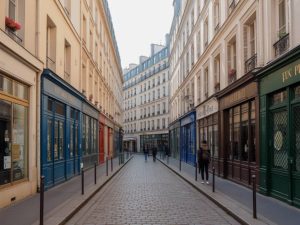
- Pick a non-touristy street one or two blocks away from a big attraction (for example, go two streets behind Rue de Rivoli near the Louvre).
- Look for a chalkboard with a “formule midi”. If there’s a mix of office workers and locals, you’re probably safe.
- Order tap water: in France, you can always ask for a free carafe d’eau. Don’t feel shy, Parisians do it all the time.
For dinner, if you want to keep it cheap but pleasant:
- Boulangeries as your evening ally: Many offer salty options (quiches, sandwiches, salads) until closing. A good baguette sandwich + a pastry + a drink from the supermarket = around 7–9 €.
- Picnics in style: A picnic on the Seine, on the Champs de Mars, or in Parc des Buttes-Chaumont feels far more “luxury Paris” than sitting in a crowded brasserie with a microwaved onion soup.
Budget: 5–10 € per person for bread, cheese, fruit, a bit of charcuterie and maybe a cheap bottle of wine from the supermarket (3–5 € is enough for something drinkable). - Ethnic food streets: Rue du Faubourg Saint-Denis (10th), parts of Belleville, or the area around Place d’Italie have plenty of good and filling options for 10–15 € per person.
A quick anecdote: one of the happiest “tourist” dinners I saw at the hotel was a couple who skipped restaurant reservations, bought a roast chicken at a rotisserie on Rue Mouffetard (about 10–12 €), some potatoes and a bottle of wine, and ate in their tiny hotel room watching French TV. The whole thing cost them under 20 € total; they were more relaxed than the guests returning from 90 € tasting menus.
Cafés with a million‑euro view… for the price of a coffee
Coffee in Paris is not cheap, but it’s still one of the best ways to “buy” a place at the Parisian spectacle. You don’t need a full meal to enjoy a prime view.
Simple rules to pay less:
- Order at the counter (au comptoir) if you’re really saving – prices are often 30–40% cheaper than seated.
- If you sit on the terrace, accept you’re paying for the chair and the people-watching. Order one drink and stretch it; nobody will rush you as long as they’re not completely full and you’re not obviously camping for hours.
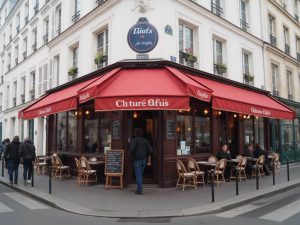
- Skip cafés right next to major monuments. Go one or two streets behind. Example: avoid the cafés staring directly at Notre-Dame (and their 6–7 € cappuccinos) and head toward Rue Galande or Rue de la Huchette instead.
Realistic prices:
- Espresso at the counter: 1,50–2,20 €.
- Espresso seated: 2,50–3,50 € (more in very touristy spots).
- Glass of wine: 4–6 € in most neighborhood cafés, 7–9 € in fashionable areas.
If you want that “luxury hotel bar” feel without staying there, go for a late-afternoon coffee or single glass of wine in a grand café (for instance, around Opéra or Saint-Germain). Yes, your drink might hit 8–10 €, but you’re spending one hour soaking in Belle Époque decor for the price of a fast-food meal.
Free (or almost free) views that feel priceless
Paying 20+ € to stand in a crowded tower is not mandatory to get a postcard view of Paris. My favorite city views are either free or under 10 €.
- From the steps of Sacré-Cœur (Montmartre)
Price: 0 € (unless you climb the dome, which is extra).
Best time: Early morning (before 9h30) for quiet and soft light, or just before sunset on a clear day.
Tip: Avoid buying drinks from guys selling beer cans at the steps. They’re not legal vendors, and prices are random. - Parc de Belleville
Price: 0 €.
Why go: Fewer tourists, a wide panoramic view over Paris with the Eiffel Tower in the distance, very local atmosphere.
Bonus: Combine with a walk through Belleville’s side streets and cheap eats. - Printemps Haussmann rooftop terrace
Price: 0 € to access the rooftop (you only pay if you eat or drink at the bar).
Access time: Usually during store opening hours (roughly 10h–20h, later on Thursdays).
View: Opéra Garnier, Sacré-Cœur, and the rooftops sea – quite spectacular. - Parc des Buttes-Chaumont
Price: 0 €.
Why go: Not exactly a “skyline” view, but the feeling of space, cliffs, lake, and suspension bridge makes it one of the most dramatic parks in Paris. It’s also where you see locals relaxing after work.
If you’re ready to spend a little:
- Arc de Triomphe rooftop
Price: Around 13 € (free or reduced with certain passes / EU youth cards).
Why it’s worth it: View of the Champs-Élysées and the star-shaped avenues, plus an Eiffel Tower view. Usually less crowded than the Eiffel Tower, and security checks are easier.
Museums: when to pay, when to skip, when to go for free
You don’t need to “collect them all”. Trying to hit every major museum will burn your time and your cash. Decide what really matters to you, and ignore the guilt.
Smart strategies:
- Under 26 and EU resident? Many national museums are free or reduced price for you, especially permanent collections. Bring ID.
- First Sunday of the month: Some museums are free or have special offers. It’s often crowded, so use it if your budget is ultra-tight and you have patience.
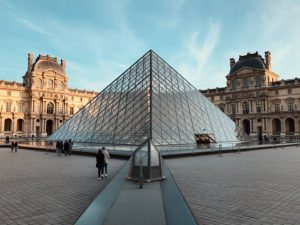
- Late-night openings: The Louvre and some other museums offer evening visits on specific days. It’s usually calmer, and combining this with a cheap picnic dinner can save you the classic restaurant bill.
Museums that give strong value for money:
- Musée d’Orsay: If you care at all about painting, this is usually more accessible and pleasant than a rushed Louvre marathon. The view from the old station clock window is a bonus.
- Musée Carnavalet (history of Paris): Recently renovated, free permanent collections, beautiful interiors. Great if you want to understand the city without spending a cent.
- Petit Palais: Another free gem with a wonderful courtyard café. Even if you just look at the architecture and a few rooms, it feels very “grand Paris” for 0 €.
If you love art but your budget is very tight, focus on two big paying museums maximum and fill the rest of your schedule with free or cheap alternatives: city museums, churches, architecture walks.
Walking itineraries that cost nothing and feel like a movie set
One of the most “luxury” sensations in Paris is simply this: having time to walk without rushing. No ticket. No schedule. Just the city.
Here are a few tested routes I used to give hotel guests, with realistic times:
- Seine banks: Louvre to Notre-Dame
Time: About 40–50 minutes walking without stops. Realistically, 1h30 with photos and a coffee.
Route: Start at the Louvre courtyard, cross to the Pont des Arts, walk along the left bank, pass by the bouquinistes (green book stalls), continue toward Île de la Cité and Notre-Dame.
Why it feels rich: Water, monuments, street musicians, a perfect “so this is Paris” moment. - Canal Saint-Martin
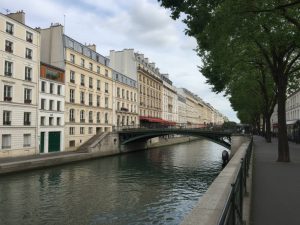
Time: 45–60 minutes from République to Jaurès at a relaxed pace.
Vibe: Young, slightly bohemian, lots of cheap food options, second-hand shops, and bars. Perfect for a late afternoon walk with a pastry or a beer. - From Saint-Germain-des-Prés to the Luxembourg Gardens
Time: 30–45 minutes strolling.
Route: Start around the Saint-Germain church, walk past cafés like Les Deux Magots (no need to sit), then head towards the Luxembourg Gardens and enjoy the free chairs, fountains, and people-watching.
None of this costs anything, beyond maybe a pastry or coffee if you want the full effect.
Nighttime Paris: romance on a shoestring
Paris after dark can be intimidating if you’re watching your budget: cocktails at 15 €, clubs asking for 20 € entries… but you don’t need any of that for a memorable night.
Safe, wallet-friendly evening ideas:
- Seine by night
Walk along the river between the Louvre and Île Saint-Louis, or around the Pont Neuf. The lights on bridges and monuments do the job. You can bring a small bottle of wine (from a supermarket) and plastic cups, but be discreet and respectful – and avoid being loud late at night. - Montmartre after the crowds
Go up around 20h30–21h30 in summer, once most tours are gone. The Place du Tertre is still a tourist circus, but the small streets around the church are atmospheric. Stick to lit streets, avoid the seedy strip around Boulevard de Clichy late at night. - Low-key bar in a local area
Skip Champs-Élysées and Saint-Germain for drinks. Try Oberkampf, Belleville, or the 11th in general. You can still find a glass of wine for 4–5 € and beers for 5–7 € during happy hours.
Safety note from someone who has walked home at odd hours more times than she can count: avoid being obviously drunk, keep your phone out of sight on quieter streets, and favor main avenues if you’re walking back late.
Free “Parisian life” experiences that feel surprisingly high‑end
Some of the most “exclusive” feelings in Paris are actually free; they just don’t appear in glossy brochures.
- Sit in a neighborhood park at 8 am
Grab a croissant and coffee to go (un café à emporter) and sit in a small park while locals walk their dogs and parents drop kids at school. It’s not Instagram-perfect, but it’s exactly how the city breathes. - Watch the world from a bakery at opening time
Many bakeries open around 7 am. Stand in line with construction workers, office employees, elderly neighbors. Listen to small talk, watch the rhythm. Your breakfast will cost 2–4 € and you’ll feel like part of the city instead of a visitor. - Visit a neighborhood market
Markets like Marché d’Aligre (12th) or Marché des Enfants Rouges (3rd) are a feast for the eyes. You don’t have to buy much. A little bag of cherries or a piece of cheese is enough to feel indulged.
When to splurge a little (and where to save instead)
Even on a tight budget, I recommend choosing one or two “big” experiences that truly matter to you and saving ruthlessly on the rest.
Good candidates for a controlled splurge:
- A well-reviewed bistro dinner (not on a main tourist avenue).
- A scenic paid view (Arc de Triomphe, Eiffel Tower if it’s your dream).
- A boat cruise on the Seine (there are basic options around 15–20 €).
- A specific museum or show you’ve always wanted to see.
Places where cutting costs hurts the least:
- Breakfast (supermarket yogurt + fruit + bakery pastry is often better than overpriced hotel buffets).
- Transport (use 10-ticket packs or passes, and walk whenever it’s under 30 minutes).
- Souvenirs (avoid gift shops around monuments; pharmacies for cosmetics, supermarkets for chocolate make much more sense).
If you’re asking yourself, “Is this really worth it?”, a simple test: imagine the same thing back home. Would you pay that much for it there? If the answer is “never”, it’s probably a tourist trap.
Paris on a budget doesn’t mean counting every cent with anxiety. It means knowing where your money buys memories, and where it only buys a logo on the door. With a bit of planning, you can walk away from your trip with the feeling you’ve lived very well – just with smarter choices.