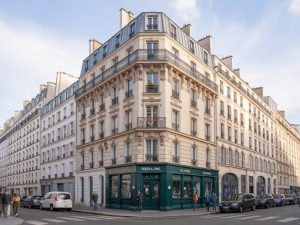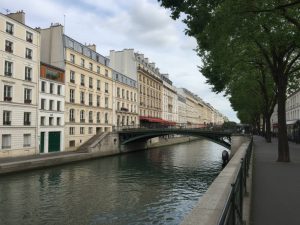
A food lover’s itinerary: 24 hours eating your way through paris from breakfast to late‑night snacks
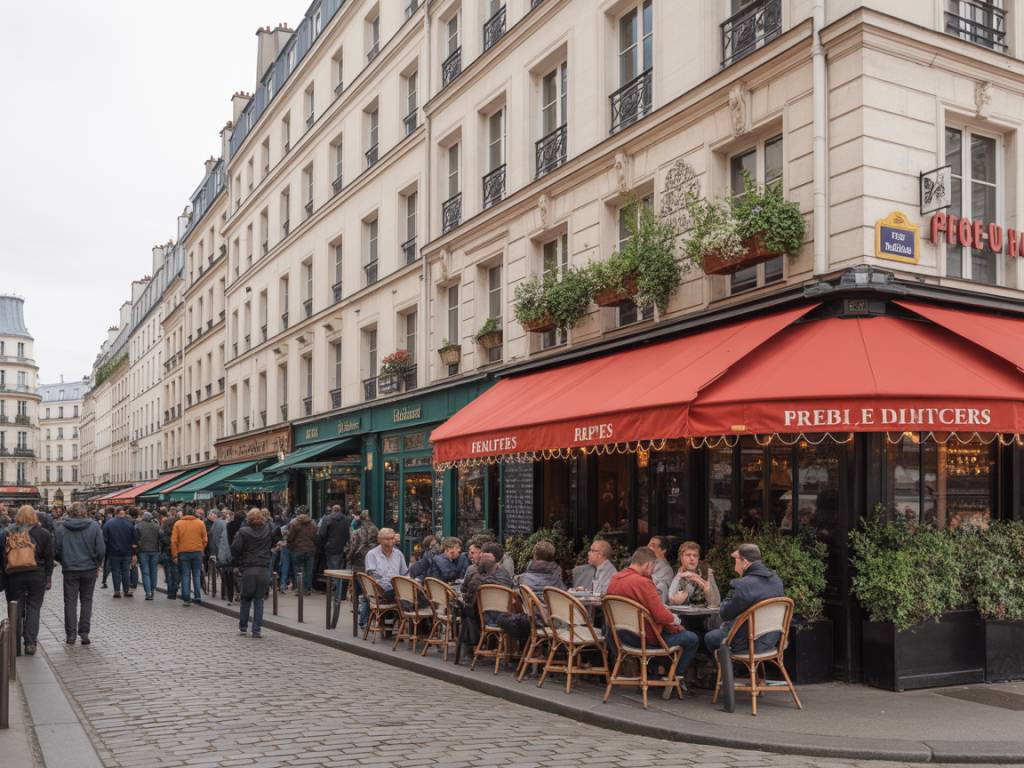
A food lover’s itinerary: 24 hours eating your way through paris from breakfast to late‑night snacks
If you only have 24 hours in Paris and you love food, your biggest problem won’t be finding something good to eat – it will be choosing what to skip. In this itinerary, I’ll walk you through a full day of eating in Paris, from the first coffee of the morning to the last late‑night snack, with real‑life timings, indicative budgets and a few “plan B” options when the line is too long or the weather turns bad.
Morning fuel: bakery breakfast (7:30–9:00)
In Paris, your day starts at the boulangerie. Skip the hotel breakfast buffet unless it’s genuinely excellent (most aren’t). You’ll eat better – and cheaper – on the street corner.
Where to go
- Du Pain et des Idées (10th arrondissement, near Canal Saint‑Martin) – Famous for its “pain des amis” and pistachio escargot. Expect a queue from 8:30 onwards.
- La Parisienne (6th arrondissement, near Odéon) – Solid, less touristy, used by locals going to work.
- Any busy neighborhood boulangerie with a line of people in office clothes at 8:00 – usually a good sign.
What to order
- Espresso (ordered as “un café”) or a café crème if you like milk.
- Croissant au beurre – insist on “au beurre”; it’s richer and properly flaky.
- Or a pain au chocolat if you prefer something more chocolatey.
Budget: around €4–7 per person (coffee + pastry). If you sit down in a café instead of standing at the bar or taking away, add €1–2.
Timing & logistics
If you’re staying near the Seine (1st, 4th, 5th or 6th arrondissements), you can be at a good bakery by 7:45, eat in 15–20 minutes and be ready to walk towards your first sightseeing stop by 8:30. From, say, the Latin Quarter to the Louvre area is about a 15–20 minute walk at a relaxed pace.
Local tip: If the croissants look strangely identical and too “perfect”, they might be industrial frozen dough. Look for slightly irregular shapes and a strong buttery smell when you step inside.
Second breakfast: market stroll & coffee break (9:30–11:00)
Once your first coffee has done its job, head to a morning market. This is where you really see how Parisians shop and eat.
Good options
- Marché d’Aligre (12th arrondissement) – Lively, a mix of permanent and outdoor stalls, open Tuesday to Sunday mornings. Easy to reach by metro (Ledru‑Rollin, line 8), about 15 minutes from central Paris.
- Rue Cler (7th arrondissement) – A classic food street with cheese shops, bakeries, butchers and greengrocers, convenient if you plan to visit the Eiffel Tower later.
What to taste (you don’t need a full meal here)
- A piece of Comté or Brie de Meaux from a fromagerie – many sellers will offer small samples if you’re polite and show genuine interest.
- A handful of berries or cherries in season – perfect for walking.
- A second coffee from a nearby café, ideally with a terrace facing the market.
Budget: €3–5 for fruit and a few cheese tastes, €2–4 for coffee. Around €10 total if you’re a bit greedy.
Why it’s worth it: You’ll understand in 30 minutes why French people argue endlessly about tomatoes, strawberries and which cheese is “properly” made. It’s also a good time to pick up a baguette or snack for later if you know you’ll get hungry between meals.
Lunch: bistro classics without the tourist trap (12:00–14:00)
By midday, your stomach will be ready for real food. Lunch in Paris is when you can eat very well for a reasonable price, especially with set menus.
Where to aim
Target small bistros or brasseries used by local workers. Avoid places with laminated menus in five languages and photos of the food out front – that’s your “tourist trap” warning sign.
Example areas
- Oberkampf / République (11th arrondissement): Lots of modern bistros with lunch formulas around €18–25.
- Saint‑Georges / Pigalle (9th arrondissement): Less touristy if you avoid the main strip of Pigalle itself.
- Near the business district of Opéra or Bourse (2nd arrondissement): Many places catering to office workers; generally good value at lunchtime.
What to order
- Look for a “formule déjeuner” (lunch set) – often starter + main or main + dessert, sometimes including a coffee.
- Typical dishes to try once:
- Steak‑frites (ask for à point for medium or saignant for rare).
- Duck confit with potatoes.
- Plat du jour – often the best price/quality ratio.
Budget: €18–30 per person for a set lunch excluding wine. A glass of wine will add €4–7. Tap water (une carafe d’eau) is free – don’t be shy to ask.
Timing & reservations
Parisian lunch peaks from 12:30 to 13:30. If you’re visiting a popular bistro, arrive as close to noon as possible without a reservation. A reader once wrote to me after queuing 40 minutes outside a tiny Oberkampf spot at 13:00 – at that stage, the best dishes were gone and patience was thin both in the line and in the kitchen.
Afternoon break: pastry and a stroll (15:00–17:00)
The French don’t really do giant afternoon snacks, but you’re visiting, and Parisian pâtisseries exist for a reason. This is pastry time.
Where to go
- Latin Quarter / Saint‑Germain – Easy to combine with sightseeing, full of famous and less‑famous pastry shops.
- Le Marais (3rd/4th arrondissements) – Compact area with excellent pâtisseries and cafés within a few streets of each other.
Pastries worth the calories
- Tarte au citron (lemon tart) – good balance of sharp and sweet.
- Paris‑Brest – choux pastry with praline cream, very rich, very shareable.
- Éclair au chocolat – simple, but you’ll know immediately if the place takes its pastry seriously.
Order a pastry and a coffee or tea and take your time. Service is slower in the afternoon, in a good way. Use this pause to plan your evening stops on a map rather than trying to improvise everything later when you’re tired and hungry.
Budget: €6–10 for a pastry + hot drink if you sit in, €3–6 if you take away and eat on a bench.
Local tip: If the weather is good, buy your pastry to go and sit in a nearby square – Place des Vosges in the Marais, Square du Vert‑Galant near Pont Neuf, or Luxembourg Gardens are all excellent options. Just don’t feed the pigeons; they do not need your help.
Pre‑dinner: apéro like a local (18:00–20:00)
L’apéro is one of the easiest French rituals to adopt: a drink, a few bites to share, ideally on a terrace while the city shifts from day to night.
Good neighborhoods for apéro
- Canal Saint‑Martin (10th arrondissement) – Young, relaxed, lots of wine bars and small terraces.
- Bastille / Ledru‑Rollin (11th/12th arrondissements) – Lively, a bit loud, but full of options and close to many dinner spots.
- South Pigalle (SoPi) (9th arrondissement) – Cocktail bars and wine bars with small plates.
What to order
- Glass of wine (ask for something by the glass, au verre) or a spritz if you want something lighter.
- Planche de charcuterie et fromage – a board of cured meats and cheeses to share.
- Or simple olives, nuts, or rillettes if you’re saving yourself for dinner.
Budget: €5–8 for a glass of wine, €12–20 for a sharing board. For two people, expect around €20–30 for a relaxed apéro.
Timing: Arriving between 18:00 and 18:30 gets you a better chance at a terrace seat without a reservation. Many Parisians come straight after work around 19:00–19:30, and you can feel the volume rise in ten minutes.
Safety & comfort: These areas are generally safe in the early evening. As always in busy places, keep your bag close and avoid leaving your phone on the edge of the table near the street – pickpockets are quick.
Evening highlight: dinner to remember (20:00–22:30)
For your one big dinner in Paris, decide what kind of experience you want: classic French bistro, modern “bistronomie”, or something more relaxed like a wine‑bar dinner.
Option 1: Classic bistro
You’re here for dishes your grandparents would recognize and a chalkboard menu.
- Where: The 5th, 9th, 11th and 14th arrondissements are usually better bets than the hyper‑touristy triangle around Champs‑Élysées, Eiffel Tower and Notre‑Dame.
- What to expect: Onion soup, duck confit, boeuf bourguignon, crème brûlée. Portions can be generous; sharing a starter is common and waiters won’t judge.
Option 2: Modern bistronomie
Short seasonal menu, open kitchen, maybe a bit of natural wine, lots of locals taking photos of their plates.
- Where: Oberkampf, Belleville, parts of the 10th and 11th are full of these.
- What to expect: 3–5 courses, inventive but still comforting. Vegetarian options are easier to find here than in old‑school bistros.
Option 3: Wine bar dinner
Good if you want to keep it flexible or you haven’t booked anything.
- Where: The Marais, near Les Halles, and around Saint‑Martin canal all have wine bars with substantial “small plates”.
- What to expect: You can build a full meal from shared dishes – think tartines, pâtés, burrata, seasonal vegetables, charcuterie, and a long wine list.
Budget
- Classic bistro: €30–50 per person for starter + main + dessert, excluding wine.
- Bistronomie: €40–70 per person depending on the number of courses.
- Wine bar dinner: If you share 4–5 plates and a bottle of wine between two, count around €30–45 per person.
Reservations
For Friday or Saturday night, booking is almost essential for anything popular. Weeknights are a bit easier, but for your “big” dinner, book at least a few days ahead. Many places offer two services: 19:00–19:30 and 21:00–21:30. If you have jet lag, go for the early one and you’ll have more energy to enjoy it.
Reality check: Be wary of places with endless Instagram hype and impossible reservations where you’re rushed through a tasting menu in 1h15. It might be great, but if you’re only in Paris for 24 hours, you might enjoy a slightly slower, more comfortable dinner where you can actually hear your travel partner.
Late‑night sweet tooth: desserts & ice cream (22:30–23:30)
If you still have room (or if you sensibly shared desserts at dinner), this is the time for something sweet and a nighttime walk.
Ideas
- Gelato or ice cream in the Marais or around Île Saint‑Louis – several shops stay open late in high season.
- A crêpe from a decent crêperie window, ideally made to order in front of you, not reheated from a pile.
- Chocolate shop browsing – some stay open until 22:00, especially in busy areas; buy something for the next day or the trip home.
Budget: €3–6 for an ice cream, €3–5 for a crêpe with simple fillings (sugar, Nutella, salted butter caramel).
Safety note: Around this time, central areas like the Marais, Saint‑Germain and the islands are still busy and generally feel safe. As always, stick to well‑lit streets, keep an eye on your belongings and use Uber/Bolt or a taxi if you’re exhausted.
For the night owls: real late‑night snacks (23:30–02:00)
Paris is not as sleepless as some cities, but if you’re still hungry or jet‑lagged, there are a few reliable options.
What you’ll actually find
- Crêperies and kebab shops near nightlife areas (Oberkampf, Bastille, Pigalle) – quality varies wildly, but they’re open.
- Bakeries with late baking cycles – some sell fresh baguettes and croissants after midnight, though this is more of a local thing and requires knowing the specific addresses.
- 24‑hour brasseries – a few traditional spots serve food late, but prices can be high for what you get.
What to look for
- Places with a student or local crowd rather than just drunk tourists.
- Clear pricing displayed outside.
- Food cooked to order rather than sitting under a heat lamp.
Budget: €7–10 for a decent kebab or sandwich, €5–8 for a basic crêpe. Not gourmet, but it does the job after a long day.
Personal advice: If your goal is to enjoy Parisian food at its best, stop before this point. Have your late‑night snack for the experience, not for the quality. Your best bites usually happen before 22:00.
How to pace your 24 hours (and avoid food fatigue)
Eating all day in Paris sounds romantic until you hit the third heavy dish in a row. A bit of strategy helps.
Mix sit‑down meals with street food
- Make breakfast and afternoon pastry the “lighter” parts of your day.
- Choose either a big lunch or a big dinner – not both. If you go heavy at lunch, keep dinner more casual with small plates.
Walk between food stops
Paris is compact. Walking from the Marais to Saint‑Germain via the Seine takes around 30–40 minutes if you don’t stop every five seconds for photos. You’ll digest better and discover corners of the city that aren’t in any guidebooks – like that tiny café where the owner knows everyone by name and still has time to complain about the price of butter.
Drink water
Tap water is perfectly drinkable. Carry a small bottle and refill it in your hotel or at public fountains (the “Wallace fountains” in green cast iron around the city are safe to drink from). Alternating wine/coffee with water is the simplest way to survive long food days.
Use public transport smartly
- Most metro rides inside Paris cost the same flat fare; allow 15–30 minutes between most central neighborhoods.
- If you take an evening metro, stick to main lines and avoid empty carriages. After midnight, a taxi or ride‑share might be more comfortable, especially if you’re not sure where you’re going.
Adapting this itinerary to your tastes
Not everyone eats everything, and Paris is increasingly friendly to different diets.
Vegetarians
- Modern bistros and wine bars almost always have at least one or two strong vegetarian options.
- Falafel and Middle Eastern food in the Marais, and many Asian restaurants across the city, work very well without meat.
Vegans
- Look specifically for vegan cafés for breakfast and lunch – they exist, especially in the 10th, 11th and parts of the 3rd.
- Bakeries are trickier (buttery pastries are not vegan by definition), so check labels or ask.
On a tighter budget
- Make lunch your main cooked meal of the day; use bakery items, markets and street food for breakfast and dinner.
- A day of good, satisfying food in Paris is possible around €30–40 per person if you plan ahead and limit alcohol.
In the end, a perfect 24‑hour food itinerary in Paris isn’t about ticking off “must‑eat” lists. It’s about stringing together a series of honest, enjoyable stops – a croissant that flakes all over your lap on a park bench, a market vendor insisting you try the ripe cherry tomato, a waiter who suggests the plat du jour because “it’s what I’m having”. If you end the day pleasantly full, slightly tired, and already thinking about where you’d go “next time”, you’ve done it right.