How to Experience Paris Like a Local in One Week: A Day‑by‑Day Itinerary Beyond the Usual Tourist Spots
How to Experience Paris Like a Local in One Week: A Day‑by‑Day Itinerary Beyond the Usual Tourist Spots
Paris is one of the most visited cities in the world, yet most visitors follow the same well-worn path: Eiffel Tower, Louvre, Champs‑Élysées, Notre‑Dame, Sacré‑Cœur. While these landmarks are famous for good reasons, they do not fully capture how the city truly lives and breathes. If you have a week and want to experience Paris more like a local, this day‑by‑day itinerary guides you through neighborhoods, markets, cafés and cultural spots that Parisians actually frequent, with only light touches of the classic sights.
Where to Stay for a Local Experience
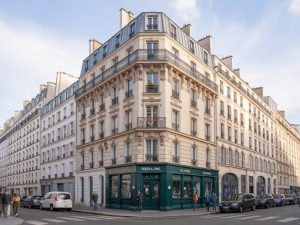
Before diving into the daily program, it is worth choosing a base that supports this “insider” approach. Areas such as the 10th, 11th, 12th, 19th and 20th arrondissements, as well as parts of the 14th and 15th, offer a good balance of neighborhood life, restaurants, markets and access to public transport, without the intense tourist concentration of the central 1st or 8th.
Look for accommodation close to a métro line with easy connections (Lines 2, 4, 5, 9 and 11 are especially useful) and near a good bakery and supermarket. This will allow you to shop like a local, grab a fresh baguette in the morning, and return easily after late dinners.
Day One: Canal Saint‑Martin and the 10th Arrondissement
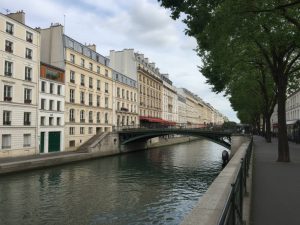
Start your week in a district that feels distinctly Parisian but not overly polished: the Canal Saint‑Martin area in the 10th. This neighborhood has evolved from an industrial zone into one of the city’s most creative and lived‑in quarters.
In the morning, walk along the canal between Rue du Faubourg du Temple and Quai de Valmy. Early in the day, you will share the path mostly with joggers, dog walkers and people heading to work, rather than tour groups. Pause on one of the iron footbridges and watch the canal locks in operation.
For breakfast, choose a café overlooking the water and order a simple “café crème” with a croissant or tartine. The experience is less about elaborate brunch and more about watching the city wake up.
Later, explore the side streets:
In the afternoon, wander south toward the Strasbourg–Saint‑Denis area. This district has layers of immigrant cultures, small theaters, and long-standing neighborhood cafés. It can feel chaotic, but it is part of contemporary Parisian life.
For dinner, choose a modern bistro in the 10th. Many restaurants here specialize in seasonal cuisine, natural wines and creative menus that reflect current Parisian tastes far more than the classic brasserie near a major monument.
Day Two: The Eastern Edge – Belleville and Ménilmontant
The second day takes you to Belleville and Ménilmontant in the 19th and 20th arrondissements, areas rarely at the top of first‑time visitor lists but central to the city’s artistic and multicultural identity.
Begin at Parc de Belleville, a hillside green space with one of the best panoramic views of Paris. Unlike the famous Trocadéro or Montmartre lookouts, the atmosphere here is more relaxed, with local families, skateboarders and couples enjoying the terraces.
Walk down Rue de Belleville, noting the mix of Chinese, North African and Middle Eastern shops and restaurants. This street is a reminder that Paris is far more diverse than the postcard image suggests.
Continue up toward Ménilmontant, where narrow streets, street art and music venues give the area a distinctly bohemian character. You could plan a late lunch or early dinner at a neighborhood restaurant serving modern French cuisine, then stay for live music at a local bar or club. This part of Paris comes alive in the evening, and the nightlife is far less polished and more affordable than in central districts.
Day Three: Markets and Everyday Life in the 11th and 12th
To see how Parisians actually shop and eat, dedicate a day to food markets and neighborhood streets in the 11th and 12th arrondissements.
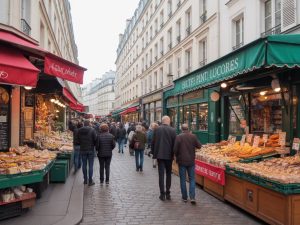
Start with a morning visit to Marché d’Aligre in the 12th, an energetic market operating most days. There is an indoor covered section for cheese, meat and charcuterie, plus an outdoor area with fruit, vegetables and second‑hand stalls.
After the market, walk to the nearby Coulée Verte René‑Dumont (also known as the Promenade Plantée). This elevated park built on a former railway line runs above the streets, providing a quiet, green path through the city. Compared with the more famous Promenade des Anglais in Nice or the busy parks around the Eiffel Tower, the Coulée Verte feels genuinely used by residents: runners, nannies with strollers, and people having lunch breaks on benches.
In the afternoon, head to the 11th arrondissement, a district known among Parisians for its dense concentration of bars, small theaters and excellent bistros. Streets like Rue de Charonne, Rue Oberkampf and their surroundings offer:
If you are interested in cooking, this is also a good day to consider a market‑based cooking class or food tour focused on lesser‑known products and artisanal producers in these neighborhoods.
Day Four: The Left Bank Without the Crowds
While the Latin Quarter and Saint‑Germain are well known, there are ways to explore the Left Bank that feel less tourist‑oriented.
Begin in the 14th arrondissement, near Parc Montsouris. This large park has lakes, lawns and winding paths, and attracts joggers, students and families. It offers a calm start to the day and a sense of space that can be welcome after a few intense urban days.
Then walk north through quieter residential streets toward the area around Rue Daguerre, a semi‑pedestrian market street with food shops, cafés and everyday services. This is an excellent place to see how people shop for their weekly groceries, from fishmongers and butchers to cheese stores and wine merchants.
Later, continue toward the Luxembourg Gardens, one of the few more famous sites in this itinerary. Despite its popularity, the gardens remain an essential part of Parisian daily life, especially for residents of the 5th and 6th arrondissements. On weekday afternoons you will see:
Rather than rushing to take photographs, find a chair, read a book, or simply watch the rhythms of the park. From there, you can wander through side streets of the 6th arrondissement, avoiding the busiest café terraces and instead choosing quieter corners or backstreets where locals meet friends after work.
Day Five: Contemporary Culture in the 13th and 19th
To understand Paris as a modern city rather than an open‑air museum, devote a day to newer cultural areas.
Start in the 13th arrondissement at the Bibliothèque François‑Mitterrand area. This district features contemporary architecture, wide riverfront promenades, and a major national library that attracts students and researchers rather than tourists.
Walk along the Seine on the Left Bank, passing cafés on barges and outdoor seating areas that are lively during sunny months. Then move inland to explore the large street art murals for which the 13th is known. Many building façades host works by internationally renowned street artists, and the local tourism office provides maps and suggested routes.
In the afternoon, cross the city to the 19th arrondissement and visit Parc de la Villette, a vast cultural complex with concert halls, exhibition spaces, and green lawns used for picnics and informal gatherings. It often hosts outdoor cinema in summer and various festivals throughout the year.
Evenings in this area often include concerts, experimental performances, or film screenings, offering a different cultural angle from traditional opera and classical music venues.
Day Six: A Day Trip with a Local Feel
Even when leaving Paris for a day, you can still choose destinations and activities that echo local habits rather than standard tourist excursions.
Instead of Versailles or Disneyland, consider a smaller town accessible by regional train (RER or Transilien) such as:
Plan to stroll, stop at a café, explore local markets if they coincide with your visit, and perhaps have lunch at a family‑run restaurant. Observe how daily rhythms outside the capital differ while still remaining distinctly French. This approach also helps spread your spending beyond the city center, supporting smaller businesses and local economies.
Day Seven: Slow Sunday – Flea Markets and the 20th Arrondissement
On your final day, embrace a slower pace. Sunday in Paris has its own rhythm: some shops close, but parks, markets and cafés fill with people enjoying their time off.
Begin at a lesser‑known flea market rather than the famous (and crowded) Saint‑Ouen. Smaller markets in the 12th or 20th arrondissements can offer more realistic prices and fewer crowds. Even if you do not buy anything, browsing vintage clothes, records, books and furniture is a window into local tastes and past decades of Parisian life.
Later, make your way back to the 20th arrondissement to explore Père‑Lachaise Cemetery. While it appears in many guidebooks, most visitors stick to a handful of famous graves. Instead, treat it as a vast, tree‑lined park filled with sculpture, architecture and history. Wander the slopes, notice the variety of tomb styles, and enjoy the relative quiet.
In the afternoon, descend into the streets below the cemetery where cafés and small restaurants serve brunch, traditional bistro dishes or international cuisine. Many Parisians gather with friends and family on Sundays, so reservations are often wise.
End your day with a final walk through the neighborhood, perhaps stopping for a glass of wine at a simple corner café rather than a famous bar. Take time to reflect on how much of your week has been spent in places where people actually live, work and socialize, rather than solely in front of monuments.
Practical Tips for Living Like a Local
To make the most of this itinerary, a few practical habits help you blend more naturally into the city’s rhythm:
Experiencing Paris like a local is less about avoiding every landmark and more about shifting your focus from sights to daily life. By exploring these neighborhoods and adopting local rhythms, a single week can offer a deeper, more nuanced picture of the city than many repeat visits focused only on the major attractions.