


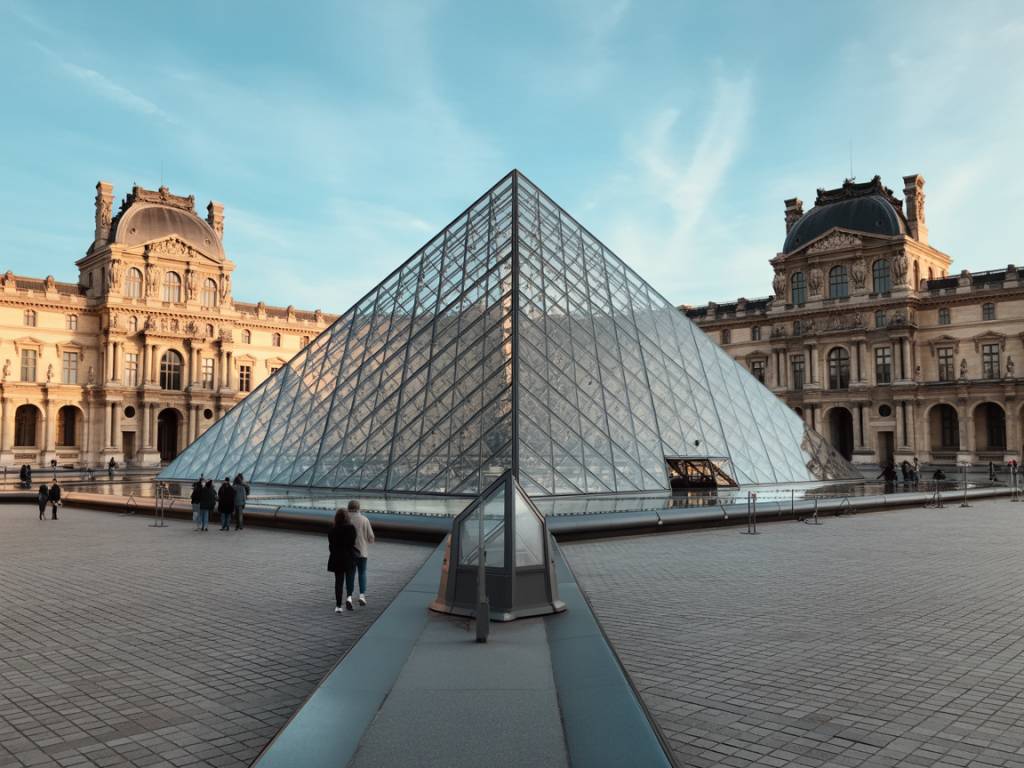
You step through the glass Pyramid, map in hand, and immediately face a choice between three wings, a dozen staircases, and 35,000 works of art spread across what was once a royal palace. Sound familiar? The Louvre is one of the greatest museums on earth — and one of the easiest places to end the day feeling defeated rather than inspired. The difference between a draining experience and a genuinely memorable one comes down to one thing: planning with intention. This guide gives you exactly that.
Le Louvre: How to Plan an Inspiring Visit to Le Louvre Without Feeling Overwhelmed
The first thing to accept is this: you cannot see the Louvre in a day. Not even close. A full walkthrough covers 8–10 km of corridors. One couple tracked their « freestyle » first visit with a smartwatch and logged 11 km — and reported remembering almost nothing from the final hour. The goal is never to « do » the Louvre. The goal is to find your Louvre: the rooms, periods, and objects that actually move you.
Understanding the Three Wings Before You Arrive
The Louvre is built around three main wings that fan out from the central Pyramid. Knowing what lives in each one saves you from wandering in circles.
- Denon Wing: The most visited. Home to the Mona Lisa, the Winged Victory of Samothrace, the Coronation of Napoleon, and the majority of Italian Renaissance masterpieces. Expect the largest crowds here.
- Sully Wing: Houses the original medieval Louvre foundations, Egyptian antiquities, and a strong collection of French paintings. Noticeably quieter than Denon.
- Richelieu Wing: Accessed near the Rue de Rivoli side. Contains the Napoleon III Apartments, Northern European paintings (Flemish and Dutch masters), and decorative arts. Often overlooked — and all the better for it.
Before you leave your hotel, decide which wing aligns with what you actually want to experience. This single decision cuts your planning time in half.
When to Visit and How to Book Your Tickets
Timing and ticketing are the two levers that determine whether your visit feels calm or chaotic.
The best days and hours to visit
- Least crowded: Monday and Thursday mornings — arrive at the entrance by 8:40 for a 9:00 opening slot.
- Manageable but busier: Wednesday and Friday afternoons after 16:00.
- Avoid if possible: Saturdays and rainy Sundays between 11:00 and 15:00. These are peak « everyone had the same idea » windows.
Museum hours can shift around public holidays, strikes, or special events. Always check the official Louvre website the week before your visit to confirm schedules.
How to book your tickets the right way
- Book a timed-entry ticket online directly through the official Louvre website (louvre.fr). Same-day availability disappears fast, especially in high season.
- Arrive 20–30 minutes before your slot. Security checks can add 10 to 30 minutes even with a pre-booked ticket.
- If you hold a Paris Museum Pass, you still need to reserve a free timeslot online — it is mandatory, not optional.
- Avoid third-party « skip-the-line » resellers at inflated prices. At best they resell standard timed tickets; at worst, their promises are misleading. Stick to the official site or a reputable travel agency.
Choosing the Right Entrance: It Makes a Real Difference
Most visitors default to the glass Pyramid — which is also why it has the longest queues. You have three realistic options:
- Pyramid (Cour Napoléon): Iconic and worth experiencing, but plan to arrive very early (before 9:00) or after 16:00 to avoid the worst waits.
- Carrousel du Louvre (underground, via the shopping mall on Rue de Rivoli): Consistently quieter. Ideal for families with strollers, visitors with mobility needs, or anyone wanting a calmer start. On a rainy November morning, guests using this entrance walked in within 10 minutes while Pyramid users waited 35 minutes — same day, same hour.
- Porte des Lions: Sometimes open, sometimes reserved for groups. Check the Louvre website before counting on it.
Simple rule: check the day’s entrance info online, then pick the door that fits your timing and energy.
Plan Around How You Want to Feel, Not What You Think You Must See
Before opening any map, ask yourself one honest question: what kind of experience do I actually want today?
- Awe and grandeur? Focus on monumental sculptures and the Louvre’s grand architectural spaces.
- Deep focus and curiosity? Choose one civilization or period and spend real time with it.
- Relaxed and unhurried? Skip the famous rooms, wander Richelieu or Sully, and enjoy the space.
The most frustrated visitors are those who try to tick every box — Mona Lisa, Greek statues, Egyptian sarcophagi, Dutch masters, decorative arts — and end up collapsed in a museum café, over-caffeinated and under-inspired. Fewer rooms, visited with attention, will always beat a frantic highlight reel.
Three Realistic Itineraries That Won’t Drain You
The Essentials: 2–3 hours for first-time visitors
Perfect if you’re short on time or visiting with someone prone to museum fatigue.
Focus: Denon Wing, with a brief look into Sully.
- Winged Victory of Samothrace — Denon, Daru staircase. See it first while you’re still fresh.
- Mona Lisa — Denon, Salle des États. Expect a crowd. A view from three metres back is more comfortable and often more rewarding than fighting for the front row.
- The Coronation of Napoleon — same room as the Mona Lisa. Most visitors ignore it entirely. Don’t.
- Liberty Leading the People by Delacroix — one of the most emotionally powerful paintings in the entire museum.
Break suggestion: After 90 minutes, stop at Café Mollien near the grand staircase in Denon. Prices reflect the location, but the pause and the view over the Tuileries Garden are genuinely restorative.
Total time: 2–3 hours including a 15–20 minute break.
The Quiet Louvre: 3–4 hours away from the crowds
For visitors who find large crowds exhausting or who want a more contemplative experience.
Focus: Richelieu Wing and Sully Wing.
- Napoleon III Apartments (Richelieu) — extravagant 19th-century interiors, almost always uncrowded.
- French decorative arts — exceptional furniture, objects, and reconstructed interiors.
- Egyptian Antiquities (Sully) — statues, sarcophagi, and everyday objects from ancient Egypt. Genuinely fascinating and far less visited than the Denon blockbusters.
Enter via Carrousel du Louvre and head directly to Richelieu. You’ll feel the contrast with Denon immediately.
The Deep Dive: one civilization in 3–4 hours
For those who want to leave with real knowledge rather than a checklist.
Choose one collection — Greek and Roman antiquities, Mesopotamian art, Islamic art, or Dutch and Flemish painting — and spend your entire visit there. Use the free Louvre app or printed room guides to read context as you go. This approach transforms a museum visit into something closer to an education.
Practical Tips to Make the Day Run Smoothly
- Download the official Louvre app before you leave your accommodation. It includes an offline map, collection highlights, and room-by-room guidance.
- Wear comfortable shoes. The floors are hard marble and stone throughout. Even a two-hour visit involves significant walking.
- Bring a refillable water bottle. There are water fountains inside, and staying hydrated keeps fatigue at bay.
- Schedule your visit for a weekday morning whenever possible. The difference in atmosphere between a Thursday at 9:00 and a Saturday at noon is dramatic.
- Leave one thing for next time. The Louvre rewards return visits. Giving yourself permission to skip entire wings makes the visit feel abundant rather than incomplete.
After the Louvre: Making the Most of the Surrounding Area
The Louvre sits at the edge of the Tuileries Garden, a ten-minute walk from the Palais Royal arcades and thirty minutes on foot from the Marais. After your visit, resist the urge to rush to the next major sight. Instead, walk through the Tuileries, find a café on the Rue de Rivoli, and let what you saw settle. The best museum visits don’t end at the exit — they continue in the conversation or quiet reflection that follows.
The Louvre at its best is not a race or a checklist. It’s one of the few places on earth where you can stand in front of a 3,000-year-old object and feel genuinely connected to human history. That experience is available to every visitor — but only to those who give themselves the space to have it.