The Ultimate Guide to Parisian Food Markets: Where to Shop, What to Taste, and How to Visit Like a Local
The Ultimate Guide to Parisian Food Markets: Where to Shop, What to Taste, and How to Visit Like a Local
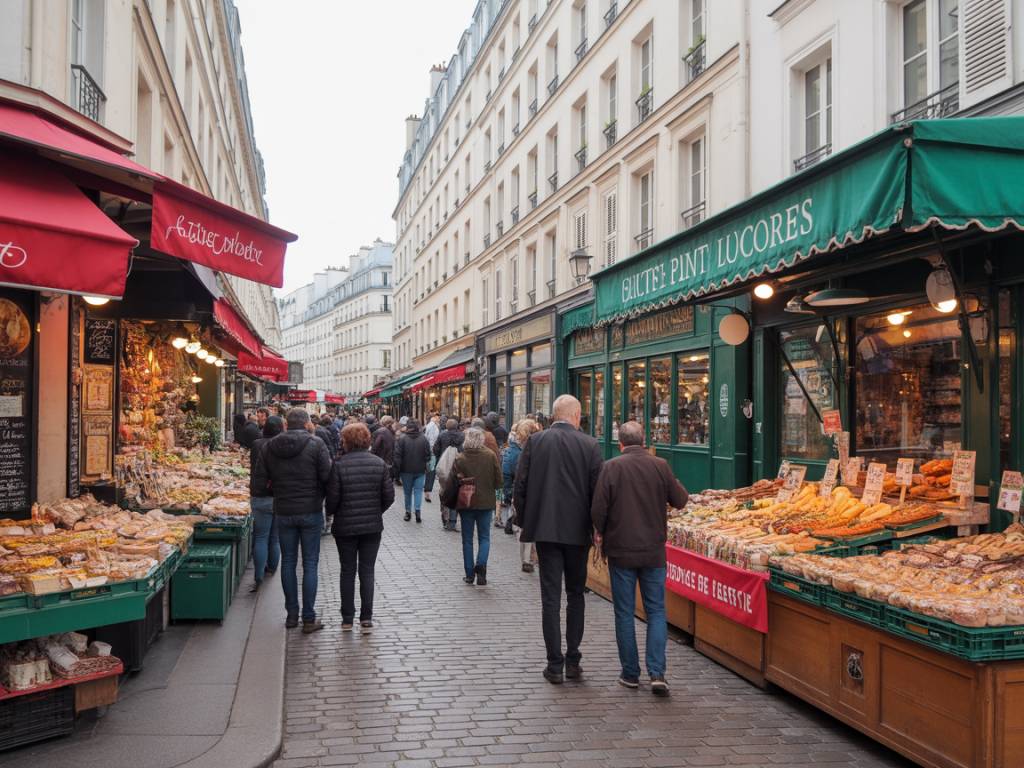
Parisian food markets are among the city’s most vivid expressions of everyday life. Beyond the postcard images of cafés and monuments, these markets reveal how Parisians actually shop, cook, and eat. From covered halls packed with charcuterie and cheese to open-air stalls overflowing with seasonal produce, each market has its own rhythm, regulars, and specialties. Visiting them offers an intimate way to understand the city, one ingredient at a time.
Why Parisian Food Markets Matter
In Paris, markets are not just places to buy groceries; they are social hubs. Neighbors greet their favorite fishmonger by name, grandparents bring children to taste their first strawberries, and office workers pick up a rotisserie chicken on their way home.
Most markets are supplied by the same wholesale giants that feed the city’s top restaurants, which means the fruits, vegetables, fish, and meats are often of excellent quality. Many vendors are specialists: a stand may sell only mushrooms, only poultry, or only artisan butter. This concentration of expertise allows curious visitors to ask questions, compare products, and taste as they go.
How Paris Markets Work
Paris offers three main types of food markets:
- Open-air street markets (marchés découverts): Temporary stalls are set up on specific days along designated streets. Vendors arrive at dawn and pack up by early afternoon.
- Covered markets (marchés couverts): Permanent indoor halls with butchers, fishmongers, cheesemongers, and prepared food counters. These often open six days a week and feel more like a compact village of shops.
- Organic markets (marchés bio): Smaller, specialized markets where almost everything is certified organic, often with a stronger focus on local and seasonal produce.
Most open-air markets run in the morning only, typically from around 7:30 or 8:00 until 13:00–14:00. Covered markets often stay open later, with a break in the afternoon. Sunday is a particularly lively market day, but some markets operate midweek only. Checking current hours before visiting is essential, as schedules do change.
Essential Paris Food Markets to Know
There are dozens of markets across the city, but a few stand out either for their atmosphere, quality, or variety.
- Marché d’Aligre (12th arrondissement)
One of the liveliest markets in Paris, Aligre combines an open-air produce market with a covered market hall, Beauvau. Here you will find affordable fruits and vegetables, exceptional cheeses, meat, and fish, as well as North African and Italian specialties. Around the square, cafés and wine bars spill onto the pavement, making this area ideal for combining shopping with a drink or lunch. - Marché des Enfants Rouges (3rd arrondissement)
The oldest covered market in Paris, Enfants Rouges is as popular for eating on the spot as it is for grocery shopping. Tucked inside a courtyard, it offers produce stalls alongside small counters serving Moroccan tagines, Japanese bento, Italian plates, and organic dishes. Space is tight and the atmosphere bustling, especially at lunchtime. - Marché Bastille (11th arrondissement)
Officially named Marché Richard Lenoir, this long open-air market stretches along Boulevard Richard Lenoir near Place de la Bastille. It is one of the largest in the city, with an impressive range of fish, meat, cheeses, baked goods, and ready-to-eat items. On Sundays, it attracts a broad mix of locals, families, and visitors. - Marché Saxe-Breteuil (7th arrondissement)
Lined up under a direct view of the Eiffel Tower, this market is as photogenic as it is well stocked. The atmosphere is slightly more residential and calm than at the larger markets. Vendors here are known for high-quality produce, excellent charcuterie, and refined prepared foods, making it a good place to assemble an elegant picnic. - Marché President Wilson (16th arrondissement)
One of the city’s “gourmet” markets, President Wilson draws demanding local clients and chefs. Stalls display carefully selected produce, wild fish, poultry, and high-end cheeses. Prices can be higher than average, but the quality and presentation are notable. It is well suited to travelers interested in French gastronomy at its polished best. - Marché Biologique des Batignolles (17th arrondissement)
Dedicated to organic products, this Saturday market is small but focused. It is ideal for discovering seasonal vegetables, raw-milk dairy products, organic breads, and natural wines. Many vendors are producers who travel directly from their farms, and they are often happy to discuss their methods. - Marché de Belleville (19th and 20th arrondissements)
Tighter, louder, and more chaotic than the polished markets of western Paris, Belleville offers a multicultural mix of vendors and clients. Beyond classic French produce, you will find herbs, spices, and vegetables from North Africa, Asia, and sub-Saharan Africa. It is a vivid reflection of contemporary Paris.
What to Taste at Parisian Food Markets
While each market has its particular strengths, certain categories of foods are almost always worth seeking out.
- Cheese (fromage): Look for stalls with a wide selection of raw-milk cheeses, carefully labeled by region and type. Classic choices include Comté, Saint-Nectaire, Brie de Meaux, goat cheeses from the Loire, and creamy triple-cream styles like Brillat-Savarin. Many cheesemongers will suggest a selection tailored for picnics or aperitif.
- Bread and pastries: Although the best bakeries are usually independent shops rather than market stalls, many markets host artisanal bakers. Taste traditional baguette de tradition, pain de campagne, and seasonal tarts. In covered markets, pastry counters often feature individual cakes and classics such as éclairs or fruit tarts.
- Charcuterie and prepared meats: Cured sausages, pâtés, rillettes, and ham are staples. Vendors may slice ham to order and pack it for travel within Europe. Roast chicken from the rotisserie, with potatoes cooked in the drippings below, is a favorite takeaway meal for Parisians.
- Seafood: Fish stalls display neat rows of whole fish on crushed ice, along with oysters, mussels, and shrimp. In season, oysters can sometimes be eaten on the spot at simple stands, especially at more gourmet markets.
- Fresh produce: Strawberries in late spring, stone fruits in summer, wild mushrooms and chestnuts in autumn, and citrus in winter all mark the seasons. Paris markets place strong emphasis on seasonality, and vendors will often point out which items are at their best.
- Regional specialties: Look for stalls dedicated to products from a single region, such as Basque charcuterie, Corsican cheeses, or Provençal olives and tapenades. Many will offer tastings, especially if you show genuine interest.
How to Visit Like a Local
Observing a few basic habits will help you blend in and get more from your market visits.
- Go early if you can: Regulars generally arrive in the morning, when produce is at its freshest and the selection is widest. By midday, especially on weekends, the most popular stalls may have lines and some items may sell out.
- Bring a reusable bag: Parisians typically carry a sturdy tote or a wheeled shopping cart. While vendors do provide bags, bringing your own is both practical and appreciated.
- Look before you line up: Take a slow walk through the market first. Compare prices, quality, and variety. Once you have an overview, return to the stalls that appeal most to you.
- Know how to order: Greet the vendor with a simple “Bonjour” before placing an order. Indicate the quantity (“200 grams of cheese,” “three peaches”) and, for produce, specify how you plan to eat it. Many vendors will ask, “For today or tomorrow?” in order to choose fruit at the right level of ripeness.
- Do not handle the produce without asking: In many Paris markets, the vendor selects fruits and vegetables for you. Touching items without permission is frowned upon. You can point to what you want and, if necessary, specify your preferences.
- Pay attention to queues: Lines can be informal, but there is usually an understood order. If you are unsure who is next, a quick “Who is being served?” helps avoid confusion and is viewed as polite.
Creating a Market Picnic
One of the most enjoyable ways to experience Parisian markets is to assemble a simple picnic. Paris offers dozens of green spaces, from the Luxembourg Gardens to the banks of the Seine, where you can enjoy an informal meal.
- Choose a bakery for fresh baguette or a rustic loaf.
- Pick two or three cheeses of different textures and strengths.
- Add sliced charcuterie, such as cured ham or saucisson.
- Select seasonal fruits and perhaps a box of cherry tomatoes or radishes.
- Consider spreads like tapenade, hummus, or rillettes.
- If your accommodation permits, buy a chilled bottle of wine; otherwise, opt for sparkling water or pressed fruit juice.
Vendors are used to travelers planning picnics and can help you estimate quantities and suggest combinations. Asking for items that “travel well” is helpful if you plan to walk or take the metro before eating.
Seasonal Highlights Throughout the Year
The experience of Paris markets changes dramatically with the seasons. Knowing what to look for can enrich your visit.
- Spring: Asparagus, peas, strawberries, and baby vegetables appear. Goat cheeses are particularly fresh and tangy. Look for bunches of herbs and the first outdoor-grown salads.
- Summer: Tomatoes, melons, peaches, apricots, and cherries dominate the stands. Many vendors sell ready-to-eat salads and cold dishes, perfect for hot days.
- Autumn: Wild mushrooms, figs, grapes, and apples take center stage. It is also the time for game meats and robust cheeses. Markets feel more relaxed as tourists thin out.
- Winter: Citrus fruits, root vegetables, and hearty greens appear in abundance. Around the holidays, stalls showcase foie gras, oysters, smoked salmon, and elaborate desserts.
Practical Tips for Visitors
A bit of planning goes a long way when adding markets to your Paris itinerary.
- Check days and hours in advance: Many markets operate only two or three mornings per week. Planning your visit around market days ensures you do not arrive to find empty streets.
- Carry small bills and coins: While many vendors now accept cards, smaller purchases are often easier with cash, especially at busy stands.
- Consider storage: If you plan to walk around the city afterward, choose foods that do not require refrigeration, or arrange to return to your accommodation before they warm up.
- Ask before photographing: Discreet photos of the market atmosphere are usually fine, but if you want to photograph a specific stall or vendor, asking is courteous and often appreciated.
- Be patient during rush hours: Weekends and late mornings can be crowded. Vendors move quickly, but taking a few minutes to wait is part of the experience.
Exploring Paris through its markets offers a detailed portrait of the city’s tastes, habits, and seasonal rhythms. Whether you are assembling a picnic, shopping for an apartment kitchen, or simply observing, these markets allow you to experience Paris not as a backdrop, but as a place where daily life unfolds in full view, one stall at a time.