


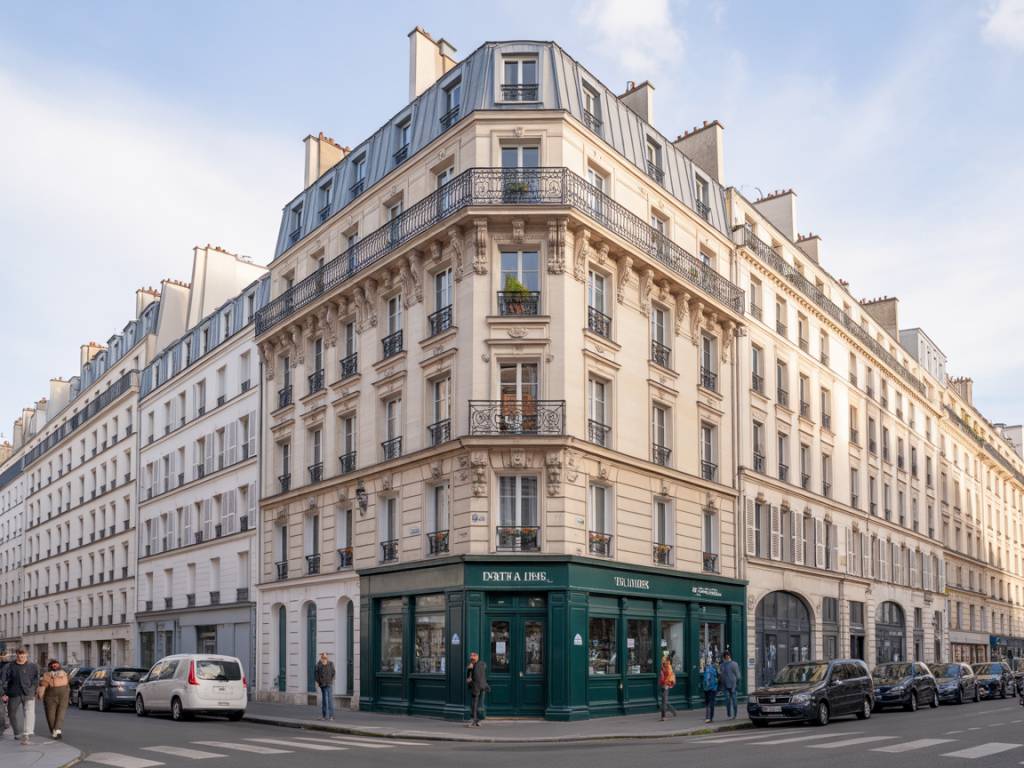
Why Staying in a Parisian Apartment Is Different from Booking a Hotel
For many first-time visitors, staying in a Parisian apartment feels like the ultimate way to “live like a local.” Instead of a standardized hotel room, you get creaky wooden floors, tall windows, a tiny balcony, and perhaps a view of a bustling street market or a quiet courtyard. Yet the experience is fundamentally different from a hotel stay, and understanding these differences will help you choose the right rental, avoid misunderstandings, and enjoy your stay in the city.
In Paris, apartment rentals range from short-stay serviced flats to classic Haussmann-style homes that residents temporarily rent out. Regulations have tightened in recent years, especially on short-term rentals in central arrondissements. This means you should pay close attention to who is renting to you, what is included, and how “professional” the setup is. The more you know in advance, the smoother your Parisian stay will be.
Understanding the Types of Paris Rentals
Not all “Paris apartments” advertised online are the same. Each option comes with its own level of service, flexibility, and authenticity.
- Licensed vacation rentals: These are apartments legally registered for short-term rentals, often managed by agencies or professional hosts. They usually offer clearer contracts, better customer support, and more predictable standards of cleanliness and safety.
- Primary residence rentals: Some locals rent out their own apartment for a few weeks a year when they travel. These homes can feel more personal and atmospheric, but may also come with quirks: closets full of the owner’s clothes, limited storage space, and more fragile furniture.
- Serviced apartments and aparthotels: These blend hotel-like services (reception, cleaning, sometimes breakfast) with apartment-style layouts and kitchenettes. They are often more expensive but easier for first-time visitors who want support in English and clear policies.
- Room in a shared apartment: Less common for tourists but still present in some listings. You rent a bedroom while sharing common areas with the host. This can be a social, budget-friendly option, but demands a higher level of adaptability and respect for house rules.
When browsing platforms or agency sites, look for clear mention of registration numbers, check-in procedures, support in case of emergencies, and transparent cleaning and service fees.
Key Legal and Practical Details You Should Check
Paris is strict about short-term rental regulations, especially in central districts. While you are unlikely to be held responsible for a host’s non-compliance, illegal rentals can sometimes lead to last-minute cancellations or a tense atmosphere with the building’s residents.
- Registration number: Many platforms now require a Paris registration number in the listing. Its presence is generally a good sign that the host takes the rules seriously.
- Minimum stay: Some buildings or agencies impose a minimum number of nights to comply with local rules or building policies. This can vary from three nights to a month or more.
- Rental contract: For longer stays, expect a simple contract. Read it carefully, especially clauses on cancellation, deposits, and utility charges.
- Building rules: Parisian buildings have internal regulations (règlement de copropriété) governing noise, access to courtyards, and use of elevators. Responsible hosts will summarize the key points for you.
If you are planning an extended stay or remote work arrangement, consider products like travel insurance that covers rental issues and flexible cancellation policies when booking flights and trains, just in case your plans need to change.
What to Expect Inside a Typical Paris Apartment
Parisian apartments are full of charm, but they can also surprise first-time visitors with their size and layout. Space is at a premium, and even “large” apartments may feel compact by North American standards.
Common characteristics include:
- Compact kitchens: Often well-equipped but small, with two-burner stovetops, limited counter space, and miniature dishwashers or no dishwasher at all. Expect to cook simply, using fresh produce from neighborhood markets.
- Smaller bathrooms: A separated toilet and shower room are common. Showers may have hand-held heads and limited splash protection, so you may need to adjust your usual routine.
- Historic features: Exposed beams, parquet floors, and tall windows are common in older buildings. These elements add atmosphere but may also creak or let in more street noise than newer constructions.
- Limited air conditioning: Many Parisian apartments do not have central air. Portable fans or mobile units are more common. If you are visiting in summer and heat is a concern, make sure to verify if any cooling system is provided.
- Stairs and small elevators: Elevators, when present, can be extremely small. In many older buildings, you might climb several flights of stairs daily. If mobility is an issue or you travel with heavy luggage, pay special attention to floor level and elevator details in the listing.
Some travelers purchase compact travel accessories to adapt more easily: lightweight fans, universal plug adapters, portable laundry kits, and packing cubes to make the most of limited closet space.
Check-In, Building Access and Security
Arriving at your Paris apartment involves more steps than walking into a hotel lobby. Understanding the logistics beforehand can save you time and confusion after a long flight.
- Check-in time and self-check-in: Many rentals use lockboxes or digital keypads, especially if the host cannot be on-site. Always download instructions before you leave home and keep them accessible offline.
- Two-door access: Many Paris buildings have a street door (often requiring a code or key fob) and then a second door to your staircase or elevator. Make a note of which key or code is used where.
- Security codes: Treat building codes as confidential. Do not share them and avoid saying them out loud in the street. Most buildings rely on these systems for residents’ safety.
- Luggage storage: Early-arrival storage is not guaranteed. If your apartment is not ready, you may need a paid luggage storage service near train stations or key tourist areas.
Consider using RFID-blocking wallets, sturdy luggage locks, and a small daypack with hidden pockets when moving around the city, especially on public transit and in crowded tourist zones.
Daily Life and Neighborhood Etiquette
Staying in a residential building means becoming, for a few days, part of local neighborhood life. Most issues that arise between visitors and residents are not malicious; they come from different expectations about noise, shared spaces, and privacy.
- Quiet hours: In Paris, tenants are expected to keep noise down, particularly between roughly 10 p.m. and 7 a.m. Loud music, parties, or late-night phone calls on balconies can cause friction. Sound carries easily in old buildings.
- Stairwells and elevators: These are shared spaces. Avoid blocking them with luggage, and keep conversations low, especially late at night or early in the morning.
- Windows and balconies: Many visitors are tempted to lean out, smoke, or play music by open windows. Be discreet. Smoke can drift into neighbors’ homes, and loud conversations echo in courtyards.
- Rubbish and recycling: Ask your host about sorting guidelines. Buildings usually have specific bins and collection schedules. Do not leave bags in hallways or courtyards.
- Deliveries: If you order food or products online, instruct the courier clearly. Building access can be complicated, and neighbors may not be eager to handle repeated buzzers and deliveries on your behalf.
Adapting to these unwritten rules not only avoids complaints but also creates a more authentic sense of temporarily belonging to the neighborhood.
Shopping, Eating and Using the Local Services
One of the main advantages of an apartment stay is the chance to use nearby shops and services like a resident rather than relying solely on restaurants and tourist-focused businesses.
- Markets and food shops: Most neighborhoods have a mix of bakeries, cheese shops, butchers, and open-air markets on certain days. Ask your host for their recommendations and typical market days.
- Supermarkets and convenience stores: Chains like Monoprix, Franprix or Carrefour City offer a full range of basics, often including prepared dishes, ready-cut salads, and household items you may have forgotten, such as adaptors or toiletries.
- Pharmacies: Pharmacies in France handle far more than basic medicine. They can advise on minor health issues, sell quality skincare products, and help you navigate over-the-counter treatments if you fall ill.
- Laundromats and dry cleaners: Some apartments have a washing machine but not a dryer. Drying racks are common. For longer stays, you may rely on laundromats (laveries) or local dry cleaners, especially for heavier items.
Simple additions to your packing list, like a reusable shopping bag, a foldable insulated bag for market produce, and small travel containers for laundry detergent, can make daily errands easier and more economical.
Choosing the Right Neighborhood for Your Stay
Paris is organized into 20 arrondissements, each with its own identity. Where you choose to stay can shape your experience as much as the apartment itself.
- Central historic districts (1st–4th arrondissements): Close to major sights like the Louvre and the Île de la Cité, these areas are extremely convenient for first-time visitors but can be crowded and expensive, with fewer traditional residents and more short-term rentals.
- Trendy and lively neighborhoods (10th–11th, parts of 3rd and 4th): Around the Canal Saint-Martin, Oberkampf, or parts of the Marais, you will find a younger crowd, independent boutiques, and a dynamic restaurant scene. Nightlife can be lively, so light sleepers should check reviews for noise.
- Village-like areas (5th, 6th, 14th, 15th, parts of 18th and 19th): The Latin Quarter, Montparnasse, and residential pockets near parks offer a slower pace, with families, students, and retirees sharing local cafés and green spaces.
- Up-and-coming and multicultural districts (18th–20th): Around Belleville, Ménilmontant or parts of Montmartre, you will experience a more diverse and local side of Paris, often with better value rentals and a strong artistic presence.
When assessing a neighborhood, cross-check public transport access, especially Metro and bus lines, as well as late-night options if you plan to be out in the evenings. Many travelers rely on apps and unlimited transit passes, which can be purchased in advance or on arrival.
Staying Connected, Safe and Comfortable
Most Parisian rentals include Wi-Fi, but speeds and reliability can vary, especially in older buildings or on higher floors. If a stable connection is essential for work or streaming, ask the host for recent speed test results or consider renting a portable hotspot.
Safety in Paris is comparable to other major European capitals: central neighborhoods are generally safe, but pickpocketing and petty theft are common in tourist-heavy areas. In an apartment context, basic precautions apply.
- Lock the door whenever you leave, even briefly.
- Do not leave valuables visible near open windows or balconies.
- Use a money belt or anti-theft bag in crowded places like major train stations and popular monuments.
- Keep copies of your passport, IDs, and travel insurance details stored securely online.
For comfort, small purchases such as earplugs, an eye mask, or a compact travel fan can improve sleep quality, especially if your apartment faces a busy street or courtyard.
Staying in a Parisian apartment offers a different rhythm compared to hotels: slower mornings with a baguette from the corner bakery, evenings cooking with market ingredients, and brief daily exchanges with neighbors in the stairwell. With a bit of preparation regarding rentals, etiquette, and neighborhood life, first-time visitors can turn their Paris stay into an experience that feels both memorable and genuinely rooted in the city’s everyday reality.