The complete beginner’s guide to understanding cognac ages
The complete beginner’s guide to understanding cognac ages
Why understanding cognac ages matters
If you’ve ever stood in front of a wall of bottles wondering why some cognacs cost ten times more than others, you’re not alone. The age categories on the labels—VS, VSOP, XO and beyond—can feel mysterious, especially when you’re just starting out.
Understanding cognac ages is the key to choosing the right bottle for your taste, your budget, and the occasion. Once you know how aging works, what the labels mean, and how age affects flavor, you’ll be able to navigate any spirits shop or restaurant list with confidence.
What exactly is cognac?
Before getting into ages, it helps to know what cognac actually is. Cognac is a type of brandy made from distilled wine, produced in a specific region of western France around the town of Cognac. It’s protected by an AOC (Appellation d’Origine Contrôlée), which lays down strict rules about:
- Where the grapes can be grown
- Which grape varieties can be used (mainly Ugni Blanc)
- How the wine is distilled (in copper pot stills, twice)
- How long and where the spirit is aged (in French oak barrels)
Only brandy that follows these rules and comes from this defined region can legally be called cognac.
How aging works in cognac
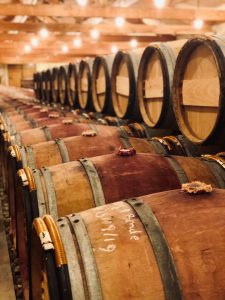
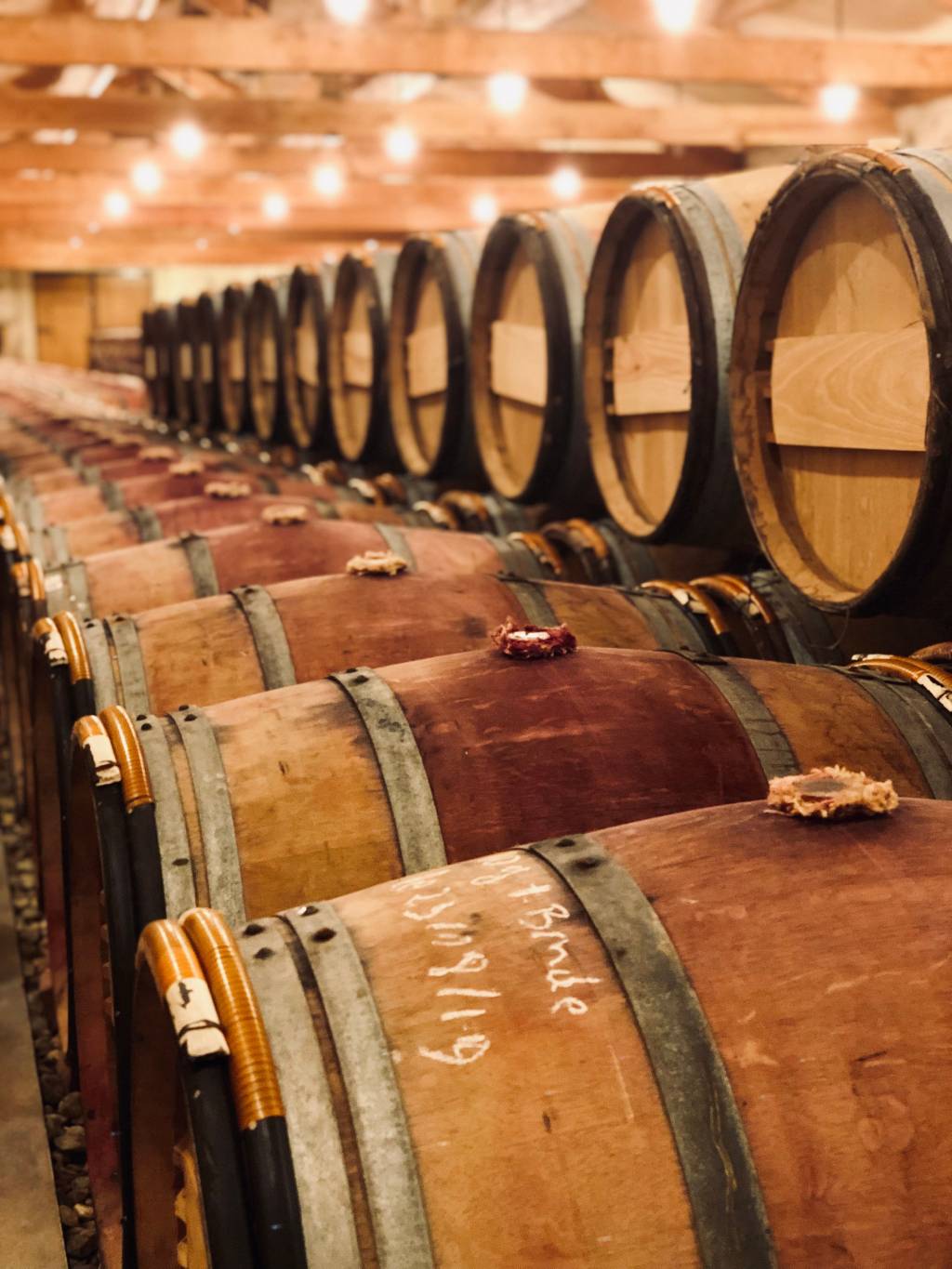
All cognac starts as clear, young eau-de-vie (literally “water of life”) that comes off the still at around 70% alcohol. This spirit is then put into oak barrels to mature. During aging, several important things happen:
- Color develops: The spirit goes from clear to pale gold to deeper amber as it extracts color from the oak.
- Flavors evolve: Harsh, raw notes soften. Oak, vanilla, dried fruits, spices, floral and nutty aromas appear and intensify.
- Alcohol integrates: The burn becomes smoother and more balanced as time goes on.
- Evaporation occurs: Every year, some alcohol and water evaporate—the “angels’ share”—concentrating flavors.
Crucially, cognac ages only while it is in oak barrels. Once it is transferred to glass demijohns or bottled, the age is effectively “frozen in time.”
The role of blending in determining age
Unlike many single malt whiskies, most cognacs are blends of many different eaux-de-vie from different vintages, vineyards, and ages. A cellar master (maître de chai) selects and blends these to achieve a specific style and flavor profile.
When you see an age category on a bottle of cognac, that age refers to the youngest eau-de-vie in the blend, not the average or the oldest. A blend labeled as VSOP, for example, can contain very old components, but it must at least meet the minimum age requirements for that category.
Understanding the official cognac age categories
The Bureau National Interprofessionnel du Cognac (BNIC) regulates age designations. For beginners, the most important categories are VS, VSOP, and XO.
VS: Very Special (or **3 stars**)
Minimum age: The youngest eau-de-vie must be at least 2 years old in oak.
VS is often described as the entry-level category. These cognacs are generally:
- Lighter in color (pale gold)
- More straightforward and fruity
- More fiery and punchy on the palate
- Designed largely for mixing in cocktails or with mixers
Typical aromas and flavors in VS cognacs include fresh grape, pear, apple, citrus, white flowers, and light oak. The focus is on youthful fruitiness rather than deep complexity.
How to enjoy VS:
- In simple long drinks with tonic, ginger ale, or soda
- In classic cocktails like the Sidecar or French 75 (using cognac instead of gin)
- Over ice for a refreshing, easygoing drink
VSOP: Very Superior Old Pale
Minimum age: The youngest eau-de-vie must be at least 4 years old in oak.
VSOP is the sweet spot for many drinkers. Compared with VS, VSOP cognacs generally offer:
- Deeper color (rich gold to light amber)
- Smoother texture, less burn
- More developed flavors: vanilla, spice, dried fruit
- Better balance between freshness and complexity
Expect notes of vanilla, caramel, dried apricot, prune, baking spices (cinnamon, clove), nuts, and more pronounced oak character.
How to enjoy VSOP:
- Neat in a tulip glass, to appreciate aromas
- With a splash of water to open up the bouquet
- In elevated cocktails that benefit from more complexity
For beginners looking for a bottle that works both in cocktails and for sipping, VSOP is often the best starting place.
XO: Extra Old
Minimum age: Currently 10 years for the youngest eau-de-vie in the blend.
XO represents a significant step up in both age and style. These are serious sipping cognacs, created to showcase richness and depth. Hallmarks of XO include:
- Deep amber or copper color
- Silky, almost oily texture
- Highly layered aromas and flavors
- Very smooth, long-lasting finish
Common flavor notes in XO cognacs are dried fig, date, raisin, candied orange peel, rich vanilla, toasted oak, chocolate, coffee, rancio (a nutty, earthy, almost umami complexity), and subtle floral tones.
How to enjoy XO:
- Neat, at room temperature, in a tulip glass
- Sipped slowly, as you would a fine aged whisky
- Paired with dessert (dark chocolate, crème brûlée) or a cheese plate
Beyond XO: Extra, Hors d’Âge, and special mentions
Many houses bottle cognacs older than the minimum XO age and label them with terms such as:
- Extra – Often older than standard XO, showcasing very mature character.
- Hors d’Âge – Literally “beyond age,” used for extremely old blends that are considered beyond the usual scale.
- Paradis / Réserve de Famille / Heritage – House-specific names, usually for their rarest and oldest stocks.
These designations are less strictly defined than VS, VSOP, or XO. They typically indicate a prestige bottling with a large proportion of very old eaux-de-vie, sometimes 30, 40, 50 years or more.
What “age” really tastes like in cognac
For a beginner, it’s helpful to think about how flavor changes with age in simple terms:
- Younger cognac (VS): Lively, fruity, sharper edges, more alcohol kick.
- Mid-aged cognac (VSOP): Balanced, with both fresh fruit and developing oak, vanilla, and spice.
- Older cognac (XO and above): Rich, concentrated, complex, with deep dried fruit, nuts, and a very smooth, lingering finish.
Age does not automatically mean “better” for everyone. Some people prefer the vibrancy of younger styles, especially in mixed drinks, while others love the depth and subtlety of older expressions.
How to read a cognac label as a beginner
When you pick up a bottle, the label gives several clues about style and age, even beyond VS/VSOP/XO.
- Age statement: Look for VS, VSOP, XO, Extra, or other mentions.
- Brand name: Different houses (for example, Rémy Martin, Hennessy, Martell, Courvoisier, and many smaller producers) have distinct styles.
- Region or cru: Terms like Grande Champagne, Petite Champagne, Borderies, Fins Bois refer to sub-regions within Cognac, each with its own character.
- Special terms: “Napoléon” is a traditional, unofficial term often used for cognacs between VSOP and XO in age.
Remy Martin, for instance, focuses largely on Fine Champagne cognacs (a blend of Grande and Petite Champagne crus), known for their aging potential and aromatic finesse. Exploring a producer’s range is a good way to understand how age changes within a consistent house style; you might compare a VSOP and XO from the same producer to grasp the impact of extra years in oak.
As you browse, you’ll soon notice how widely the style of cognac can vary between brands and age categories, even when the labels use similar terms.
Age vs. price: why older usually costs more
You will quickly see that as the age category increases, so does the price. Several factors explain this:
- Time: Barrels occupy space in cellars for years or decades before generating revenue.
- Evaporation: The “angels’ share” reduces volume every year, so there is less liquid to bottle.
- Selection: Only the best eaux-de-vie are set aside for long aging.
- Rarity: Very old stocks are limited and cannot be quickly replaced.
However, price jumps are not always linear. A modest increase in age can sometimes produce a big jump in cost because of rarity or brand positioning. As a beginner, think in terms of value for your own use: a reasonably priced VSOP or entry-level XO can be far more rewarding than chasing very rare bottles.
Choosing the right cognac age for different occasions
Different age categories shine in different roles. Matching the age to the occasion can help you get the most out of each bottle.
For cocktails and mixed drinks
- VS and younger-style VSOP are great choices.
- The brighter fruit and more assertive character stand up well to mixers and citrus.
- You don’t need to pay for long aging if you are going to blend it with other strong flavors.
For casual sipping with friends
- VSOP offers a pleasing balance of quality and price.
- It can be served neat, on ice, or with a splash of water.
- A good VSOP is usually smooth enough for beginners to enjoy without feeling overwhelmed.
For special occasions or gifts
- XO and older categories are ideal as thoughtful, impressive presents.
- The complexity and depth feel luxurious and ceremonial.
- Look for bottles in the mid-range of XO pricing to find excellent value without stepping into ultra-rare territory.
How to taste and compare different ages
If you want to understand the effect of age, the best method is a side-by-side tasting. You can try:
- One VS, one VSOP, and one XO from the same producer
- Or a few VSOPs and XOs from different houses for broader comparison
Basic tasting steps:
- Pour a small amount into a tulip glass or small wine glass.
- Swirl gently and observe the color and viscosity.
- Smell first without swirling too hard, then again after a gentle swirl.
- Take a small sip, let it coat your tongue, then breathe out gently through your nose.
- Notice how the flavors evolve from the first sip to the finish.
As you move from younger to older cognacs, pay attention to the increase in complexity, the shift from fresh to dried fruit, the strengthening of vanilla and spice, and the growing smoothness of the texture.
Common myths about cognac ages
Several misunderstandings can confuse newcomers. Clearing them up will help you make better choices.
- Myth: Older is always better. In reality, “better” depends on context. For a citrus-heavy cocktail, a youthful VS can be more suitable than an XO whose subtle nuances would be lost.
- Myth: All the eau-de-vie in an XO is extremely old. XO only guarantees a minimum age; blends can contain a mixture of ages. The art is in balancing these components.
- Myth: Cognac keeps aging in the bottle. The age you see is determined in barrel. Once bottled, the cognac will change very slowly over many years, but it does not continue to “age” in the same way.
- Myth: All brands taste basically the same. The combination of terroir, distillation choices, barrel selection, and blending style makes each house distinct, even within the same age category.
Storing your bottle regardless of age
Whatever cognac age you buy, proper storage helps preserve its character:
- Keep the bottle upright (to avoid prolonged contact between the liquid and the cork).
- Store it away from direct sunlight and heat sources.
- Avoid extreme temperature fluctuations.
- If a bottle is half-empty for a long time, consider transferring to a smaller bottle to reduce oxygen exposure.
Unlike wine, an opened bottle of cognac will stay drinkable for a long time, often months or years, especially if you minimize air and light exposure.
Building your own cognac journey
Understanding age categories is the first step toward appreciating the diversity of cognac. Once you feel comfortable distinguishing VS, VSOP, and XO, you can start exploring:
- Different crus (Grande Champagne vs. Borderies, for example)
- House styles (comparing several brands within the same age category)
- Special bottlings (Napoléon, Extra, single-cru, or single-vintage releases)
As you taste, keep simple notes about what you enjoy: fruit vs. spice, light vs. rich, fresh vs. mature. Over time, these preferences will guide you toward the age ranges and styles that suit you best, helping you choose bottles with real confidence—whether you’re mixing cocktails at home, hosting a dinner, or selecting a thoughtful gift.